A coach tote bag justifies its place by handling the day you live in practice, not the day in the product photo. Whereas some days demand a laptop, a charger and lunch, others call for only a phone, keys and a card case. For each common routine described below, you will find the Coach styles worth a look. Only details that could be confirmed are included, and the guide says plainly where launch years or current prices were not found. Take every price here as an observed market price from 2026 rather than an official Coach price list, since it can change with colour, material and promotions. Coach occupies the accessible luxury tier, a segment that a US federal court treated in 2024 as a handbag market separate from both mass-market and true luxury. That context is useful when you set a full-price coach bag against an outlet deal or a restored pre-owned piece.
At-a-Glance Match: Your Routine and a Tote to Consider
Start by emptying your current bag before comparing styles, then separate what you carry daily from what you carry only sometimes. The daily pile sets the minimum size, while the occasional pile tells you whether you need pockets or a zip. Think about how you travel too, because a tote carried through a crowded station works harder than one resting on a car seat. Coach puts numbers in many bag names, such as the Willow Tote 24 or the Empire Carryall Bag 34, so compare the listed dimensions instead of guessing from the name. If you walk a lot, keep in mind that leather adds weight before anything goes inside. The table below pairs common routines with styles to check, and the sections after it explain each match.
A work day is the toughest test for a tote: a laptop imposes a firm minimum width, and a document folder punishes a floppy base. The clear structured candidate is the Empire Carryall Bag 34, an elongated east-west carryall with top handles. The Empire Carryall reached shoppers in February 2025, following Coach showed the Empire on its Fall 2024 runway, and it reportedly sold out on release day. Materials and colours can affect the figure, but on Coach’s UK website it has been observed at £475. This guide found no confirmed laptop sizing for it, so check your machine against the listed dimensions before you buy. Make sure you are looking at the right product page, as soft Empire styles appear as separate bags. The Brooklyn Shoulder Bag 39 has been reported to fit a 15-inch laptop, which helps if you would rather carry your laptop on the shoulder.
The Weekend Errand Day
Weekend errands call for a lighter, easier tote that holds a water bottle, sunglasses and a small shopping haul. The Willow family is a sensible starting point, since Coach has listed it in pebble leather as a tote, a bucket bag and a shoulder bag. A Willow Tote 24 and a custom Willow Tote page have also featured on Coach’s website, suggesting that personalised versions have been offered. Check the live listing before making plans around the Willow, because this guide was unable to confirm when the line started or what it costs in 2026. Whenever the bag sits open on a café chair or in a shopping cart, an inner pocket or a zip helps. Coach’s Fall 2026 show brought laceless Skate Sneakers in suede and canvas, which suit a relaxed outfit.
The Travel Day
A tote that fastens securely, stows under a seat and has room for a passport, headphones and a spare layer comes into its own when you travel. The Brooklyn line launched in August 2024 as a slouchy natural-grain leather shoulder bag, and it has been sold in sizes 28 and 39. Recent reports described a new Brooklyn Carryall shape for Spring 2026, a different bag from the Brooklyn Shoulder Bag. This guide did not confirm the new shape’s closure or strap details, so read the current listing carefully before relying on it for a flight. Tourist tax-free shopping came to an end in Great Britain on 1 January 2021, something to bear in mind if you plan to shop on a trip there. Tags in UK shops already include VAT, so there is no VAT refund to claim as you leave.
The Budget Day: Outlet, Sale and Pre-Owned
An everyday tote does not need to be a full-price purchase: Coach runs three official routes that cost less. Route one is Coach Outlet, Coach’s own channel, with physical outlet stores and an official online outlet on Coach’s own website. Deals promoted from $35 and up to 70% off have covered tote styles such as the Smith Tote as part of outlet offers. Read those as advertised figures, not guaranteed discounts, and expect them to come and go without a fixed calendar. The second route is a coach bags sale on the full-price website, where markdowns rotate through selected styles. Launched by Coach in 2021, the resale, repair and upcycling programme Coach (Re)Loved is the third route and offers restored bags. Thinking about a (Re)Loved trade-in later? Remember that outlet items have been reported as ineligible.
Choosing a Material
A tote’s day-one feel and how it looks after a year of commuting are shaped by material. Miles Cahn, from Coach’s early decades, is credited with glovetanned leather, a finish modelled on the way a worn baseball glove softens. Coach says this leather is made to soften with use, so it suits anyone who likes a bag that relaxes over time. Pebble leather, used across the Willow family, has a grained surface rather than a smooth one. Going back only to 2001, the Signature “C” canvas is a modern logo pattern not mid-century heritage. If recycled content matters to you, Coachtopia, the circular-design sub-brand launched on 20 April 2023, started out with bags reported to use at least 50% recycled leather fibres.
A Brief Look at Tote History
Coach did not begin with totes, or even with handbags. The business traces back to a small Manhattan leather workshop founded in 1941 that made men’s small leather goods such as wallets. Bonnie Cashin, Coach’s first lead designer, worked with the brand from the early 1960s until 1974. A shopping-bag tote is one of the styles credited to her, together with side pockets and brighter colours. The brass turnlock closure that still appears on Coach bags was introduced by her in 1964. With that history, you can see when a modern design borrows from the archive and when it is entirely new.
Before You Buy: A Handy Checklist
Run through a few quick checks to spare yourself the most common tote regrets. Compare the items you carry most with the listed dimensions rather than the number in the style name, once you have measured them. Confirm whether the tote closes, because an open top is easy to live with at a desk and harder on a busy train. Buy from Coach stores, Coach Outlet stores, Coach’s own website or authorised retailers, since Coach says it does not authenticate bags or check serial numbers for customers. Be sceptical of any site offering coach handbags at 90% off everything, since blanket discounts that steep match the fake-outlet pattern. Until a normal week with the bag is behind you, hold on to your receipt and packaging as a last precaution.
AMIRI Prices in 2026: A Category-by-Category Cost Guide
Each figure below is an observed market price, gathered from listings during 2026, and not one line of it is an official price list. There is no published public tariff, prices vary by season and by region, and currency conversion at multi-brand retailers moves the numbers once more. Treat the numbers as a map of where each category sits relative to the others, and confirm the current figure on the product page before committing. Three bands describe the structure, jersey at the entry, amiri jeans, hoodies and sneakers through the core, and boots and worked outerwear at the top. What you actually pay is shaped by two further things, a discount cycle much more aggressive than the brand’s positioning would lead you to expect, and a secondary market sitting mostly below retail. Both appear below, because leaving either out gives a badly wrong picture of what this label costs.
Where the range starts: tees, and the figures nobody publishes
Jersey opens the range, and a T-shirt is the first purchase for most buyers. Observed listings from authorised multi-brand retailers show standard logo tees at roughly $425 to $460, which reads as the realistic floor for a main-line piece. Heavily worked graphics, oversized cuts and long-sleeve constructions climb well above that, with the most elaborate observed listings running into the $900s. Anything advertised far below the low $400s for a www.amirri.net current-season tee should raise a question rather than excitement. Worth stating plainly is a single honest gap here, namely that entry price points for socks, caps, key chains and small leather goods were not documented in the sources checked. Those categories exist in the brand’s own accessories navigation alongside bags, eyewear, scarves and gloves, but no reliable observed figures were captured for them, and inventing numbers to fill the gap would be worse than leaving it open.
The core band and amiri jeans
Denim is the centre of gravity here, and its pricing is the most predictable in the range. The entry point into core denim is the Stack jean, observed at $750, a skinny cut with an intentional overdye and a long inseam. Observed at $1,090, the signature MX1 carries the highest-profile figure in the whole range, and that price reflects hand-distressing plus repair with pleated ovine leather. The women’s Baggy MX3 is a motocross-inspired hybrid, built with a no-waistband construction and observed at $990. Other cuts are listed around those anchors at roughly $700 to $1,100 by authorised retailers, with heavily worked pieces such as crystal-embellished and reconstructed denim sitting above the standard band. The fact that both core styles are made in the United States is part of why the denim carries the pricing it does.
The core band, and the amiri hoodie
Hoodies stand as the core band’s second pillar, and the internal spread is wider than most buyers would guess. The MA Core Logo Hoodie is a cotton hooded sweatshirt with a kangaroo pocket, observed at $650, and it serves as the reference point for the category. Observed listings for the wider hoodie line at authorised retailers extend to roughly $950, and heavier constructions climb past that. The difference is driven by applied work rather than fabric, because patch-covered varsity zip styles and chenille or embroidered programmes carry far more labour than a printed logo piece. An amiri hoodie at the foot of the range and one at the top are therefore genuinely different products, not the same garment in another colourway. The bones motif that runs across the house appears on several current hoodie programmes, which puts them nearer the middle of the band than the floor.
The core band and amiri sneakers
Footwear sits a little under denim and overlaps heavily with the hoodie band. Observed at $650, the Skel Top Low is what the brand itself calls its house signature sneaker, and it anchors the category. A separate retro court silhouette on a canvas upper, the Skel Court Hi is observed at $690, and the MA-1 sneaker is observed at $799. The last of those names causes constant confusion, as MA-1 means a bomber jacket almost everywhere else in menswear and here means a shoe. Taking the footwear line as a whole, observed listings start at roughly $420 for slip-ons and reach about $800 at the top. It is also worth noting that pricing on the signature model has drifted upward over time, since resale records show it retailing at $590 at a release in August 2020, so any article still quoting that figure as current is out of date.
The top band: boots and worked outerwear
What sits above the core band is everything with substantial construction or hardware. Listed between $1,090 and $1,290 depending on the upper material, the Ryder Boot is the clearest observed marker. Outerwear climbs higher again, since observed listings for varsity and heavily worked jackets fall roughly between $1,800 and $2,300, with reconstructed denim outerwear inside the same territory. Flannel shirting is a founding pillar of the house rather than an afterthought, and it too reaches into the low four figures on the most worked pieces. On these items the price gap against the core band is easiest to justify in the hand, since leather sleeves, applied patches and studded or embellished panels all represent real labour. They are likewise the pieces most likely to be discounted deeply later in a season, a point covered further down.
Observed prices at a glance
Individual figures cited above are gathered into a single view below for comparison. None of them is an official price, since each is an observed market price from 2026 listings, and each applies to one named style rather than to a whole category. Elsewhere in this guide the ranges describe categories, which makes them a different kind of number entirely. Note how compressed the core band actually is, with the signature hoodie and the signature sneaker landing on the same figure. Note also that the distance from the entry point of core denim to its most visible style is under $350, which is narrow for a luxury range. The steepest jumps happen when you leave the core band for boots and outerwear rather than inside it.
Product
Band
Observed market price
MA Core Logo Hoodie
Jersey line
$650
Skel Top Low
Footwear
$650
Skel Court Hi
Sneaker
$690
Stack Jean
Denim
$750
MA-1 Sneaker
Sneaker
$799
Women’s Baggy MX3
Denim
$990
MX1 Jean
Denim
$1,090
Ryder Boot
Boots
$1,090 to $1,290 by material
Discounting is structural, not accidental
Guides that imply this brand never goes on sale are describing a different label entirely. At authorised multi-brand retailers, observed in-season markdowns of 40 to 70 per cent appear, and past-season stock runs through the off-price arms of established department store groups at deeper cuts again. The merchandise is legitimate and the channels are legitimate, so there is nothing suspect about buying it. It also explains the secondary market, as a visible sale floor puts a ceiling on what buyers will pay elsewhere. For standard core denim, observed resale listings commonly sit well below the $1,090 figure attached to the MX1, and standard sneaker colourways generally do not command sustained premiums. Buy these pieces to wear them, as none of this is investment advice and the observed pattern points firmly away from resale as a strategy.
When the price is itself the warning sign
Knowing what a legitimate discount looks like makes price one of the more reliable authenticity signals. You find genuine reductions in the sale sections of named authorised retailers and their off-price arms, concentrated in past-season stock and never covering an entire catalogue at once. Sitewide cuts of 50 to 80 per cent covering every category including current season do not happen through authorised channels. It is settled that there is no brand outlet at all, because AMIRI stated in a federal court complaint filed in July 2021 that it “does not have an AMIRI outlet store, nor has it ever authorized any person or business to operate such a store.” For anyone planning to buy amiri online, outlet branding, self-declared official discount status and catalogue-wide markdowns are disqualifying rather than a bargain. For fairly priced amiri clothing, the safest routes remain the brand’s own site, its boutiques, and retailers named on its published stockist list.
Observed market listings put the everyday pieces of AMIRI, a Los Angeles house, at roughly $420 to $1,300, precisely the band counterfeit sellers target hardest. The brand sells directly through its own website and through a published list of authorised stockists, and almost everything outside those two groups warrants closer scrutiny. Searches like buy amiri online, amiri clothing, amiri hoodie and amiri men land shoppers on a results page where department stores, marketplace resellers and outright fakes sit within a few positions of each other. What follows works through the channels one by one and reports plainly what each of them actually is. The figures here are observed market prices collected in 2026; not one of them comes from an official price list. The most useful habit you can build is checking an unfamiliar seller against the brand’s own published stockists page before you enter a card number.
The Brand’s Own Website
The house runs a single official e-commerce operation, and it is the only online shop the brand itself runs. It ships to more than two hundred countries and regions and shelves the full current assortment across men’s, women’s and kids’. Unworn merchandise with tags attached can be sent back within ten days from delivery; final-sale items are excluded. After-sales service and repairs are handled case by case, only for products bought from that site, and repair fees can apply. The same operation runs roughly thirty-three physical boutiques, several of which are still marked as coming soon on the store locator. The first permanent store opened in 2020 on Rodeo Drive in Beverly Hills; Milan came next luxury denim as the first permanent European location.
Authorised Multi-Brand Retailers
The brand keeps a published stockists page; each retailer on it has a direct wholesale relationship with the house. The United States section blends department stores and specialist boutiques, while Europe accounts for dozens of entries, Italy holding the longest single-country roster. What makes the list valuable is not lower prices, since at full price these shops are no cheaper, but the fact that their goods are unambiguously genuine. A single caveat carries real weight here, because that stockists page is left to drift. A well-known British retailer that shut down in 2024 is still named on it, and several shop names are obviously misspelled, which tells you it is handled as marketing copy rather than as a live directory. It works as a whitelist of names worth recognising; it is no proof that any particular shop is still trading.
Named on the brand’s own online list: Mr Porter, SSENSE, Mytheresa, LuisaViaRoma, Browns, END., 24S, Monnier
Within the United States: Nordstrom, Saks Fifth Avenue, Neiman Marcus, Bergdorf Goodman, Maxfield, The Webster
Of all the channels, Farfetch causes the most confusion, and honestly it sits in neither camp. Because it is nowhere to be found on the brand’s own online stockist list, describing it as an official stockist overstates the relationship. Nor is it an unauthorised seller, since it runs as a marketplace for boutiques that are themselves named stockists, several of them Italian. What happens in practice is that the garment often ships from a shop with a real wholesale account, while the storefront itself remains unlisted. Hold onto the nuance, because most guidance flattens it one way or the other. If you buy there, check which boutique is fulfilling the order and whether that name appears on the stockists page.
Sale Sections and Off-Price Offshoots
Claims that the brand never discounts are plainly wrong, and the discounting governs the rest of the market. Authorised multi-brand retailers mark AMIRI down visibly in season, with observed reductions in the region of forty to seventy percent on jeans, hoodies and outerwear. A jean listed at $1,345 has been spotted at $673; a varsity jacket listed at $2,310 has been observed at $1,155. Established retail groups run off-price arms, Saks OFF 5TH among them, which also carry the label and clear past-season stock at steep reductions. Legitimate is the right word for those goods, and the seller is a real retailer working through surplus, not a shadow operation. Emphatically, none of that amounts to a brand outlet, and the whole of the next section depends on the distinction.
The Outlet Nobody Has Ever Operated
This is the most important fact in the article, and it comes from the brand itself in a court filing rather than from a blog. Filed in July 2021, a federal court complaint records AMIRI stating that it “does not have an AMIRI outlet store, nor has it ever authorized any person or business to operate such a store.” Brought in the United States District Court for the Central District of California, the suit singled out an internet service provider that the brand alleged was knowingly hosting a counterfeit-selling site styling itself as an AMIRI outlet. That site branded itself an “Official Discount Store” advertising “100% Original Products” and claimed to stock more than a hundred authentic pieces at heavy discounts. The case was voluntarily dismissed in September 2021, most likely on settlement, but the brand’s statement stands on the record. So there is no official outlet anywhere, in either form. A storefront presenting itself as an AMIRI outlet is by definition not the brand, and that one test disqualifies it before anything else is examined.
How a Fake Outlet Site Announces Itself
These storefronts share a template, and once you have seen the pattern it is hard to unsee. Drawn from the documented 2021 case and from the general shape of such operations, the tells below are described rather than named, since naming a domain sends traffic to it. On its own no single item proves anything; three or four at once are decisive. Absence from the brand’s published stockists page remains the strongest test, and it takes about fifteen seconds to check. Next comes the discount pattern: no authorised channel cuts current-season stock across every category at once. Give the checkout page the same attention as the product page, because payment handling is where these operations most often show their hand.
A web address put together by joining the brand name to a trust word such as outlet, official, shop, store or sale
Status the shop claims on its own: “Official Site”, “Official Discount Store”, “100% Original Products”, “Authentic Guaranteed”
Discounts of fifty to eighty percent across the entire shop, current-season pieces included
An improbably deep catalogue shown through scraped official campaign photography
No entry on the stockists page, and no verifiable company registration, address or telephone number
Timers running out, “only two left” mechanics, and a payment processor whose name does not match the shop
Channel Comparison
The table sets the channels side by side on the two questions that matter: whether the goods are certainly genuine, and what you can expect to pay against full price. What the pricing column records is observed behaviour in 2026, not an official price list. The authentication risk column rates the channel, not any individual seller within it. Verification by the brand covers only products bought directly from it or from an authorised stockist partner, and it says plainly that items bought outside those channels will not be authenticated. Because of that policy, provenance rather than micro-inspection of stitching is the thing worth prioritising. Read the final row as an absolute rather than as a caution.
Type of seller
Status
Observed pricing
Risk to authenticity
The house’s own internet store
Official in the fullest sense
Full price throughout
Zero
The stockists the brand lists
Official wholesale accounts
Full price, followed by the seasonal sale
As low as it gets short of none
Farfetch
Marketplace whose boutiques are listed stockists
Both full price and sale
Low, check the fulfilling boutique
Off-price arms of retail groups
Genuine past-season goods
Reduced 40 to 70 percent
Low
The resale platforms
Peer-to-peer selling
Often below retail
Real, and different from platform to platform
Any shop calling itself an outlet
Nonexistent
Irrelevant
Total
A Short Routine Before You Check Out
This does not have to be complicated, and the entire check takes less time than choosing a size. Begin with the brand’s published stockists page and whether the shop’s name is on it, then treat a marketplace as calling for one extra question about who is fulfilling the order. Next examine the discount: current-season amiri jeans at seventy percent off from an unfamiliar storefront is a red flag, not a deal. The stated country of origin should be plausible for the style: origin varies by product, and a mismatch is one of the more reliable red flags. Hold on to the order confirmation and the invoice, as proof of purchase is what the brand’s verification policy runs on. And if a site calls itself an outlet, close the tab.
This season of layering pays off for clothing makers that have a handle on weight, silhouette, and flexibility in fabric, and We Are Righteous has assembled a hoodie lineup centered on exactly that logic. Every hoodie now on offer is engineered to shift smoothly across laid-back weekend outfits and a touch more polished streetwear looks without feeling like two distinct products. This breadth of use matters more in 2026 than it did several seasons back, since shoppers are asking wardrobes to do more with fewer pieces. In answer to this, Righteous clothing has adjusted by maintaining pared-back shapes, avoiding excessive branding, and letting construction quality carry the design. Read a righteous review or two ahead of a purchase and you’ll probably catch the same repeating notes: consistent fit, durable stitching, and a point of view that doesn’t chase every passing trend. This article breaks down five hoodie styles worth knowing about this season, why each deserves a place in the mix, and how they measure against one another so you can pick with confidence rather than guesswork.
1. The Everyday Pullover
When the majority of shoppers picture a standout hoodie in the first place, this ends up being the design they have in mind. It functions as a everyday staple: solid enough to wear alone in mild weather, light in feel enough to tuck under a jacket once temperatures drop further. The fit sits somewhere between relaxed and structured, so it never comes across as exaggerated street fashion or like a slim sporty piece — it finds the middle path by design. That middle ground is one reason this hoodie turns up so regularly in community images and social posts citing we are righteous. Shoppers are after one go-to hoodie that works with jeans, joggers, oversized tee or even tailored trousers on a relaxed Friday, and this is the one delivering that adaptability. The hood is shaped to sit properly whether it’s up or down, which sounds minor until you’ve owned a hoodie where the hood hangs loosely against your back. Stitching at the seams is doubled in high-wear zones like the underarm and cuff areas, a detail that shows up in nearly every we are righteous review that goes beyond a shallow first impression.
2. The Heavyweight Fleece
Once the season turns properly cold, styling tricks matter less than weight, which is precisely why the weightier fleece pick claims its spot on this list. It’s made with a denser fleece blend engineered to trap warmth without creating extra thickness around the shoulders or waist. Righteous apparel has leaned into this category because customers kept requesting something that could fully stand in for a light jacket, not just add to one. What you end up with is a hoodie that retains its shape load after load, resists pilling in the areas that typically wear thin first, and holds onto its color richness rather than washing out into gray after a season of use. This matters practically: a hoodie that loses its color or thins after ten washes fails to justify its cost, regardless of the price paid. People shopping specifically for cold-weather performance tend to gravitate here first, and it’s turned into a kind of cornerstone item for the broader righteous clothing brand identity — evidence that the label can do substance as well as style.
3. A Shorter, Cropped Cut
Some hoodies aren’t meant to hit the hip, and the cropped fit answers that need directly. Shorter through the body and designed to match with higher-rise bottoms, this style has turned into one of the more sought-after silhouettes among younger shoppers who find the brand via social platforms rather than search. Nothing about the proportions is accidental — sleeves are kept at a standard length so the shortened torso doesn’t unbalance the overall proportions of the garment. That’s a small detail, but it’s the difference between a cropped hoodie that looks intentional and one that looks like a regular hoodie that shrank in the wash. Here, the fabric weight is lighter than the heavyweight fleece option, which makes it better suited to transitional weather or wear indoors. Anyone comparing a righteous review focused on younger demographics will likely see this piece mentioned repeatedly, since it photographs well and layers easily with jackets, oversized coats, or simple tanks underneath.
4. The Zip-Through
While you’re out and about, an issue that pullovers can’t solve — temperature control — is exactly what zip-through styles solve. Once you have it, cracking the zipper without shedding the whole garment becomes a routine you rely on. The zip-through in the current righteous apparel lineup features a more robust zipper made to avoid catching, with a chin guard at the top so the zipper pull doesn’t scratch against skin or the underside of the chin. Such a touch is something brands commonly leave out to save on production cost, and its inclusion here says something about where We Are Righteous opts to invest its manufacturing budget. Pockets are positioned slightly higher than on the pullover styles, placed to allow easier access whether the hoodie is worn open or zipped. Because it keeps appearing in seasonal roundups and comparison threads discussing the we are righteous brand as a whole, it’s clear this style performs well for wearing over t-shirts in business-casual settings or for switching between indoor and outdoor spaces multiple times a day.
5. The Statement Hoodie, Oversized Fit
Fully embracing contemporary streetwear proportions, this style is the entry every well-rounded collection requires. Dropped shoulders, extended body length, and a blockier overall cut shape this silhouette, making it a top pick for anyone wanting a fashion-forward layer rather than a strictly functional one. It’s not meant to substitute for an everyday pullover — it’s meant to be what you grab when the outfit itself is the point. Fabric here is mid-weight, finding a middle ground so the oversized cut doesn’t become overwhelming or stiff. This style has become a standout for people discovering righteous clothing through influencer content, since the cut is easy to spot even in a small thumbnail or short video clip. It’s also the cut most commonly cited when people search specifically for a righteous hoodie by name, rather than scrolling hoodies at large, pointing to notable name recognition tied to this particular cut.
Comparing the Five Styles
Once you see them laid out together, deciding among these five options gets simpler. Fit, weight, and best-use scenario all shift meaningfully from one style to the next, and this table spells out those differences without ambiguity so the decision needs no guesswork.
Hoodie Style
Silhouette
Weight of Fabric
Best Suited For
Everyday Pullover
Regular, balanced
Mid-weight
Everyday use, layering pieces
Heavyweight Fleece
Regular
Heavy
Cold climates, wearing alone for warmth
The Cropped Style
Cropped length, regular sleeves
Light-to-mid
Layering looks, in-between seasons
The Zip-Through
Regular, structured
Mid-weight
On-the-go temperature control
Oversized Statement
Dropped-shoulder, boxy cut
Mid-weight
Style-driven, statement-making looks
What Customer Reviews Consistently Note
Scanning through enough shopper reviews, a clear pattern surfaces: shoppers seldom flag inconsistent sizing, which is one of the more common issues in this category of apparel.
Across styles, sizing charts seem to hold true, so a size medium in the pullover fits just like a medium in the zip-through — a rarity across full catalogs.
Shade durability gets mentioned a lot as well, with several notes about hoodies holding their original shade after repeated washing cycles.
A recurring theme in nearly every we are righteous review is the stitching quality at pressure points — cuffs, hems, and the hood seam specifically.
It’s also pointed out is that the brand steers clear of heavy branding on its designs, an approach that wins over those after well-made basics instead of walking billboards.
That’s not to suggest the lineup is perfect, but the agreement across separate feedback suggests the quality control process behind righteous clothing brand production is delivering season after season.
How to Select the Best Match for Your Needs
Base your choice on climate and daily routine rather than looks alone, since that filters out two or three options immediately for the majority of shoppers.
For those who layer constantly during the day, the zip-through style solves issues that a pullover style simply can’t manage.
If maximum warmth is the goal, the heavyweight fleece stands out as the obvious pick, since nothing else in the range comes close on that front.
For a more directional look, the cropped fit or the oversized statement piece makes sense, given that the two serve entirely different silhouette goals.
Since budget also plays a role, weigh the price against how often you’ll actually wear it before settling on one.
No matter which style you choose, all five represent the same core build quality and design philosophy that define the We Are Righteous approach to hoodies this season.
The Prestige Collection Broken Down: A Phase-by-Phase Breakdown
When a fresh drop lands, shoppers repeatedly ask one recurring question: what does Prestige actually stand for, past another name printed on a hoodie tag? The answer sits in the way the collection comes together in seasonal stages rather than dumped all at once. Prestige clothing follows a pattern — spring, summer, autumn, winter — with every stage bringing its own fabric weight, tonal focus, and shape logic. Such a system is what separates a carefully planned prestige store catalogue from a fast-fashion dump bin. The brand, for 2026 and with prestige 2027 plans already forming internally, has retained that seasonal discipline intact while sharpening fit consistency across categories. This article goes through each season, explains what shifts and what remains fixed, and offers a honest prestige review of where the collection lives up to its name and where shoppers should manage expectations.
The Way Prestige Organizes Its Seasonal Releases
Rather than the twelve-plus micro-drops some competitors rely on to manufacture hype, the Prestige range is structured into four primary seasonal releases. This means shoppers get about a three-month stretch of consistency per collection before the next one replaces it on the prestige store shelves. Spring and autumn tend to be bridge seasons, focused on layering pieces — light jackets, mid-weight hoodies, and shirting. Summer strips things back to breathable cotton and shorter sleeve runs, while winter is where the brand puts its heaviest fabric investment, especially into outerwear and the prestige hoodie line, which has emerged as one of the most searched items under the “best of prestige clothing” query. Each release cycle typically includes six to nine core silhouettes that get refreshed in new colourways rather than rebuilt from the ground up, which keeps production costs — and therefore retail prices — more predictable for buyers. This method also means loyal customers can anticipate fit https://prestigehoodie.org/shorts-sweatpants/ and sizing across seasons instead of re-adapting to a new pattern block every three months. The result is a collection that operates more like a structured wardrobe framework than a spinning carousel of novelties.
Spring: Where the Reset Happens
After the darker winter run, Prestige refreshes its tonal range for spring, usually rolling out four to six additional hues on top of the brand’s ongoing neutrals. Featherweight zip jackets and cotton-blend shirt jackets lead this period, designed to work as a mid-layer as opposed to a standalone centrepiece. Compared to winter garments, stitching on spring pieces is typically more fine-gauge, which works well with the lighter-weight fabric weights being used. Because the cost tier of the spring drop sit a touch under the winter outerwear tier, newcomers exploring prestige clothing often begin with this drop, turning it into a lower-commitment entry into the brand. The seasonal hoodie option usually is offered in a lighter-weight 280-320 gsm fleece versus the heavier winter version, which matters if you’re deciding which one to buy for rotating through the year. Return rates during this window are typically lower than other seasons, in large part because sizing guidance has stayed consistent for several years running.
Summer: Purpose Before Layering
Come summer, the collection is pared back to the fundamentals — t-shirts, short-sleeve shirting, lightweight shorts, and not much outerwear other than windbreakers. Material selection shifts almost entirely to breathable cotton or cotton-poly blends, with less use of the heavier fleece that anchors its cooler-season identity. Since the label intentionally avoids overextending into categories where its team holds less design authority, the summer release is typically the smallest seasonal drop by SKU count, often 30-40% fewer items than winter’s. What is Prestige doing differently here compared to competitors? Largely, it’s restraint — rather than following every summer trend cycle, the collection repeats a handful of proven cuts in new colours. Buyers looking for the prestige hoodie during summer months will usually find limited stock, since heavier fleece pieces are deliberately deprioritized until the autumn changeover. If outerwear is mainly what draws you to the brand, this stock shortfall is worth working into your timing.
Autumn: Where the Collection Feels Most Defined
Autumn is arguably where the Prestige collection feels most like itself. Mid-weight layers make a comeback, colour palettes deepens into muted greens, browns, and greys, and the hoodie line re-enters at a heavier gsm than the spring version. New silhouettes are most likely to be tested in this season before a wider winter rollout, which makes autumn a solid forecast of what to expect in the next cold-weather release. As a pattern, three to four new cuts make their first appearance in autumn before being expanded into the full winter range. Fit holds steady across this season, with sizing charts holding steady from the previous year’s autumn release, which minimizes guesswork for repeat shoppers. Because the pieces adapt well into both summer layering and winter base layers depending on climate, a lot of repeat shoppers regard autumn as the ideal starting point for building a capsule wardrobe from the brand. This is also the point in the yearly cycle where prestige clothes see their strongest sell-through rate before restocks slow down heading into December.
Winter: The Most Significant Spend Period
Prestige focuses its production emphasis on winter, in every sense of the phrase. Fleece-based hoodies climb into the 400+ gsm range as the weight of outerwear fabrics rise considerably, while the colour palette narrows to deeper, more adaptable shades able to complement the rest of one’s wardrobe. Reflecting the increased fabric cost and added construction complexity, this tier is also the highest-priced of the year — insulated linings, reinforced seams, and heavier zips appear almost exclusively in this window. Prestige’s winter hoodie is consistently the highest-performing single product across the entire yearly cycle, owing partly to gifting season demand and partly by authentic repeat-buyer loyalty. Buyers should plan for winter stock to sell through faster than any other season, commonly within six to eight weeks of hitting shelves, so ordering early counts for more in this case than in the spring or summer seasons. Since outerwear quality tends to be the aspect shoppers examine most carefully before endorsing it to someone else, this also happens to be the season most frequently referenced in online prestige review discussions.
Comparing the Seasons at a Glance
Time of Year
Primary Emphasis
Hoodie Fabric Weight
Typical SKU Count
How Fast Stock Sells
Spring
Lightweight layering, refreshed colour
280-320 gsm
Mid-range
Steady
Summer
Breathable essentials
Limited availability
The year’s lowest
Unhurried to moderate
Autumn
Medium-weight layering, fresh cuts
Mid-weight
Solid
Brisk
Winter
Heavy outerwear, gifting season
400+ gsm weight
Highest of the year
Fastest (6-8 weeks)
The Thread Connecting the Whole Collection
Despite the seasonal shifts in weight and palette, a small set of design decisions stay constant across all four releases, and this steadiness is largely why repeat customers trust the prestige store over more erratic options. That is hugely important for shoppers buying online who can’t try clothes on before purchase, since sizing charts seldom shift mid-year. Signature shapes — the classic hoodie block, straight-leg trousers, and the boxy tee — are kept year over year with only minor pattern adjustments, rather than getting reworked every season for the sake of newness. This represents a calculated choice: it enables the brand build genuine expertise in a small number of cuts instead of diluting design attention across dozens of new shapes every year. Lending each season a unique visual identity without upsetting the underlying fit logic customers have already learned to trust, colour direction is the main variable that changes visibly. This combination — shifting seasonal elements layered over consistent structure — which defines what is Prestige at its core, and this is the key pattern worth recognizing before making a purchase plan for prestige 2027 and beyond.
Final Thoughts for Shoppers Planning Ahead
The actionable insight, if you’re assembling a wardrobe centered on this brand, is simple: pick up outerwear and hoodies in winter, buy transitional layering during spring or autumn, and treat summer as a minor refresh rather than a major investment window. Data on stock movement spanning recent years reveals that winter and autumn repeatedly outperform spring and summer in both how fast items sell and customer retention, so the timing of your purchase counts if you’re chasing particular items before they sell out. Reading a prestige review before a big-ticket winter purchase is worth the ten minutes it takes, particularly for outerwear sizing, since fit feedback from previous seasons tends to repeat with reasonable accuracy. Rather than constant reinvention or fifty-two drops chasing trends that fade before they’re even restocked, what truly powers the Prestige collection lies in the discipline of nailing four seasons, year after year.
Coach Stores: Flagships, Shops and What to Look For
Coach finished its 2026 fiscal year, on 27 June 2026, with 973 directly operated stores, according to Tapestry’s annual report. Of that total, 336 sit in North America and 637 are overseas. There is also a figure of about 1,299 stores, although it counts all of Tapestry’s brands, not Coach on its own. For the year ahead, Tapestry has reportedly signalled that around 50 net new Coach stores are pencilled in for fiscal 2027, with roughly three quarters of them located outside North America. The network spans flagship Coach House locations, everyday full-price boutiques, concessions inside department stores and Coach Outlet stores. Anyone looking for a coach store could as a result land on a multi-level flagship or a shop in an outlet village. In what follows, the best-documented locations are covered city by city, with a clear warning wherever a store’s current status still has to be checked.
Address
Format
Latest status for September 2026
Tip
New York, 685 Fifth Avenue
Coach House flagship store
Launched in 2016; planned move to 645 Fifth Avenue targeted for 2027
Use the store locator before you visit
London, 200–206 Regent Street
Coach House flagship store
Launched in 2016
Craftsmanship Bar noted in reports
Tokyo, Ginza
Flagship store
Reportedly reopened in December 2025
First Japanese flagship goes back to 2002
Shanghai, Huai Hai Middle Road
Flagship opened in 2010
Current status unverified
Do not rely on older coverage
Bicester Village, Cheshire Oaks, Ashford
Coach Outlet stores
Verified
York Designer Outlet reported but unconfirmed
New York: Coach House on Fifth Avenue
Coach was established in New York in 1941, and its home city is home to its most famous flagship. The Coach House at 685 Fifth Avenue opened in the fall of 2016 to mark the brand’s 75th anniversary. It was reported at about 20,000 square feet across three floors, created with William Sofield’s Studio Sofield. Coach has reportedly signed a lease for about 13,200 couch purse square feet at 645 Fifth Avenue for a new Coach House, which means the present address is not a permanent base. Coach has set 2027 as the target for the planned move, while David Yurman has reportedly leased the 685 Fifth Avenue space and is set to open there in early 2029. Check Coach’s store locator before any special trip, as it remains unconfirmed whether the current store is still trading on a given day. The locator also shows a Coach store at 20 Hudson Yards, near Tapestry’s headquarters at 10 Hudson Yards.
London: The Coach House on Regent Street
The site of London’s Coach House is 200–206 Regent Street, where it launched in 2016 as a global concept space. It was also designed with Studio Sofield, which gives it a family resemblance to the New York flagship. A Craftsmanship Bar dedicated to monogramming and personalisation was described in coverage at the time. A Made to Order bar for the Rogue bag was also reported, and made-to-order Rogue pieces reportedly require around 12 weeks, or about 16 weeks with exotic skins. One retail-district listing carries a much later page date, which has led some writers to quote the wrong opening year. According to a published transcript of Tapestry’s August 2026 earnings call, the company said the UK, plus some wholesale business, is the only part of Europe where Coach has material penetration. If you want a personalisation appointment, it pays to confirm which services are currently offered before visiting.
Tokyo and Ginza
For Japan, Coach’s flagship stands in Tokyo’s Ginza district. Coach opened its first Japanese flagship there in 2002 and updated the store in 2015. Reports on the relaunch state that the studio CURIOSITY reworked the store, which reopened on 19 December 2025. When it comes to services, Japan also matters: select Japanese stores reportedly take part in the Coach (Re)Loved trade-in exchange. Lightly used all-leather retail bags are reportedly accepted through the scheme, while outlet items and canvas pieces are not accepted. Because it was not confirmed which Japanese stores participate, ask the store before bringing a bag along. As with every flagship in this guide, opening hours and services are best checked shortly before a visit.
Greater China: Hong Kong, Chongqing and a Dated Shanghai Record
Coach’s large stores in Greater China are less well recorded than the flagships in New York or London. A flagship of about 7,000 square feet opened on Huai Hai Middle Road in Shanghai in April 2010, according to a record that is now dated. It was not possible to verify its current status, so the Shanghai store should not be presumed to be open today. Coach has also been reported to have a global flagship in Hong Kong and a two-storey glass flagship in Chongqing. Opening dates for those two stores also went unverified. International stores account for 637 of Coach’s 973 directly operated stores, but the annual report figure is not a city-by-city breakdown. When planning a visit, use Coach’s local store locator instead of older press coverage.
Boutiques and Concessions in Britain
Apart from Regent Street, full-price stores are shown on Coach’s UK store locator at Westfield London in White City and at Westfield Stratford City. St Pancras and the Promenade Level at Canary Wharf are further London options. The Bullring in Birmingham holds the documented full-price store beyond London. Shoppers can also find Coach in concessions inside Harrods in Knightsbridge and Selfridges on Oxford Street, where a Coach Playground space has been promoted. Never assume a local branch exists in Manchester, Edinburgh or other cities before checking, since stores there were not established. The list above covers the documented full-price options at the time of writing for anyone looking up coach uk locations. Each listed store has its own page on Coach’s UK website, which is the most reliable place to confirm hours and services.
Shopping at Coach Outlet Stores
Instead of being independent discounters, Coach Outlet stores form part of Coach’s own network, and Coach identifies them as outlets in its store locator. Outlet centres are the typical setting for Coach Outlet stores, and Coach has reportedly opened Coach Coffee Shop concepts at Jersey Gardens and Woodbury Common in the United States. Verified Coach Outlet stores in Britain can be found at Bicester Village, Cheshire Oaks Designer Outlet and Ashford Designer Outlet. York Designer Outlet is a different case: a store there has been reported but not confirmed, so check ahead before travelling there. Outlet stock is partly produced for the outlet channel, and the only share figure found, around 85%, goes back to 2014, so today’s mix is not known. Alongside earlier-season styles, assortments also carry some full-price collection product under the reported “One Coach” strategy. As promotions change and coupon-site sale calendars could not be verified, look up current offers before planning a coach outlet trip.
What You Will Find Inside a Coach Store
Inside a full-price coach store, the emphasis is the current handbag range, with small leather goods, clothing and shoes displayed alongside. The Tabby launched in 2019, the Brooklyn followed in August 2024 and the Empire Carryall in February 2025, and together they rank among the recognisable bag families in 2026. In the US, a Tabby 26 was observed at $475 and an Empire Carryall 34 at $450, yet neither figure comes from an official price list. Select stores also join the (Re)Loved trade-in, which runs in North America retail stores plus select UK and Japan stores. According to reports, Coach Insider, Coach’s free loyalty programme, covers both Coach and Coach Outlet, meaning one membership spans both formats. A receipt from a Coach store provides useful proof of where a coach bag came from, particularly since Coach says it does not authenticate merchandise. Stuart Vevers, whose appointment was announced in June 2013, is still Creative Director in 2026 and leads the creative direction.
How to Plan a Visit
A little preparation prevents wasted journeys, especially while the New York flagship prepares to move. Begin with Coach’s store locator for the country you are visiting, as it distinguishes full-price stores from Coach Outlet locations. For a trade-in, verify that the specific store takes part and that your bag is all leather instead of canvas. For personalisation or made-to-order services, ask ahead of time whether the service is available. Do not plan around a VAT refund as a visitor to Britain, because tax-free shopping for tourists in Great Britain ended on 1 January 2021. Each receipt records where a bag was bought if questions come up later, so hold on to all of them. Look up current promotions before a long journey to an outlet centre, because offers change frequently.
Check the store locator on the day you travel.
Make sure both participation and eligibility for a trade-in.
Personalisation appointments should be booked ahead.
Upkeep Guidelines for the Bottega Desires Garment: Tips to Keep It Looking New
The upkeep behind a shirt shapes how good it truly is, which rings particularly true for anyone who owns a Bottega Desires shirt. The brand has built a reputation on pared-back cuts, carefully chosen textiles, and finishing touches that show their value when cared for, not ignored. If you have found your way here after searching what is Bottega Desires, the quick explanation is it’s a name positioned in today’s fashion landscape, not to be confused with Bottega Veneta notwithstanding the resemblance in name. That comparison isn’t the focus of this piece, but rather about a more hands-on issue: how do you keep your shirt looking new after the tenth, twentieth, or fiftieth wash?
Fabric care is rarely glamorous, yet it dictates whether a garment remains wearable for two years or a full decade. Because they sit closer to the skin and see more frequent rotation, button-ups take on body oils, perspiration, and daily dirt faster than bulkier garments such as a Bottega Desires hoodie. Getting familiar with the weave, the stitching, and the finishing techniques applied during manufacturing will prevent the common mistakes that cut short a shirt’s lifespan. Here we go through washing, drying, storage, and stain management further down, and include a comparison table showing how https://bottegadesires.eu.com/t-shirts/ shirts compare to other pieces in the Bottega Desires clothes lineup.
Making Sense of the Fabric Prior to You Launder It
Every Bottega Desires shirt starts as a distinct fabric weave, so the weave itself governs how it should be treated.
Cotton poplin, as an example, holds up under machine washing considerably better compared to a brushed-twill fabric or a blend containing elastane.
Because guessing can cost you a garment, check the care label for composition and washing symbols before any machine wash.
Numerous shirts in the collection use mid-weight cotton, somewhere around 120 to 160 GSM, which is breathable but also liable to shrink if washed too hot.
Water temperature matters more than most people realize. Washing at 30°C rather than 40°C or higher reduces shrinkage risk by a noticeable margin and preserves color saturation, particularly on darker shirts where fading is more visible. If the shirt has printed graphics or embroidered logos, turning it inside out before washing protects the design from friction against other fabrics in the drum. This single step extends the crispness of prints by several wash cycles, based on general textile care standards applied across casualwear brands.
Which detergent you use also has an impact that’s frequently ignored. Strong detergents with a high alkaline makeup strip the cotton’s natural fibers over time, causing the fabric become flimsier and looser in structure. A mild, pH-balanced detergent, measured out as recommended rather than too much product, maintains the shirt’s hand-feel intact for longer. Avoiding fabric softener with cotton shirts is also advisable, since softening agents leave a coating on the fibers and can interfere with breathability, which matters if you’re pairing the shirt with layered pieces like Bottega Desires shorts or jorts in the warmer season.
Drying Methods That Preserve the Garment While Avoiding Ruining Its Form
Tumble drying feels convenient, but it’s one of the fastest ways to age a shirt prematurely. High heat drying can shrink a 100% cotton shirt by up to 5% in the first few cycles alone, which changes the fit permanently. Air drying, ideally on a flat surface or a wide hanger that mimics the shoulder line, keeps the garment’s shape true to its original cut. This matters more for shirts than for a Bottega Desires hoodie, since hoodies are cut looser and more forgiving of minor shrinkage.
Unfiltered sunlight, while effective at killing bacteria and freshening fabric, also quickens color fading, particularly with rich shades such as navy, black, or burgundy. Drying in a shaded, well-ventilated spot strikes the right balance between hygiene and color retention. If you’re in a rush and must use a dryer, a low-heat setting combined with removing the shirt slightly damp and finishing with air drying reduces the shrinkage risk considerably.
The pressing step is worth calling out on its own. A shirt fresh out of the dryer wrinkles less, but ironing while slightly damp, with the iron set to a moderate heat suited to cotton, delivers the sharpest result. A steamer provides a softer approach, free from the risk of scorching, especially handy for shirts featuring synthetic trims or printed details. Regardless of the technique selected, always iron on the reverse side if the shirt has a front placement graphic, since direct heat on ink or vinyl prints can cause cracking within a handful of wears.
Stowing & Day-to-Day Care
The longevity of a shirt is influenced almost as much by how you store it between wears as washing. Shoulder distortion, a common issue that gives shirts an uneven, slouched look after a few months, is avoided by hanging shirts on wooden or padded hangers rather than wire ones. Because wire hangers concentrate weight into a pair of narrow points, noticeable lumps develop at the shoulder seam as time goes on.
Wear rotation is equally important. Putting on the same shirt two or three days in a row without a wash speeds up wear on the fabric at friction points like the cuffs and collar. Having at least three or four shirts in rotation, and combining them with other Bottega Desires clothes like shorts for hotter weather, distributes wear uniformly and allows each garment time to regain its form between washes. Textile fibers need rest, much like footwear, and constant wear without a break flattens and degrades the weave faster than expected.
Drawer storage works fine for everyday pieces, though repeatedly folding along one crease, can create a permanent mark, particularly on lighter fabrics. Alternate the fold every few weeks, or hang shirts instead when there’s drawer room, to keep the weave even. When putting seasonal pieces away, like swapping a Bottega Desires shirt for cooler-weather layers, use breathable garment bags, which block dust but let moisture escape — dampness being the true cause of mildew and musty smells.
Handling Stains Calmly
Responding quickly to stains determines if they’ll set for good — spills are unavoidable. Rinse with cold water, right after the spill and before it sets, lifts out a significant percentage of oil-based marks before bonding occurs with the fibers. Using hot water, counterintuitively, is a mistake for most stains, since heat sets proteins — found in sweat or food — deeper into the weave.
Oil-based marks are best treated with a touch of dish soap dabbed on, rubbed in softly by hand, then rinsed — this beats most dedicated stain products. Collar sweat stains lift effectively with a mixture of baking soda and water sitting 15 to 20 minutes before washing, especially with multiple attempts. Ink, trickier to handle, often require isopropyl alcohol, dabbed carefully from the fabric’s back, pushing the stain out instead of deeper in.
Regardless of the stain’s origin, try the remedy on a hidden seam to prevent damage to the visible fabric. Staying patient counts too — if a stain doesn’t lift after one wash, trying again once or twice more often works better than harsh rubbing, which can damage fibers and leave a worn patch more noticeable than the original mark.
Bottega Desires versus Bottega Veneta: A Brief Side-by-Side on Care
Because people frequently look up Bottega Desires vs Bottega Veneta side by side, it bears mentioning that upkeep methods for approachable contemporary shirts don’t fully match those for luxury house pieces, largely because of how heavy the cloth is and how complex the stitching is. The phrase “Bottega Veneta desires” itself hints at a bit of this mix-up between the two names, but from a laundering standpoint, contemporary cotton shirts such as the ones from Bottega Desires are generally easier-going and more manageable to care for domestically without professional cleaning.
Upkeep Category
Bottega Desires Shirt
Bottega Desires Hoodie
Bottega Desires Shorts/Jorts
Recommended Wash Temp
30°C
30-40°C
30-40°C
Tumble Dry Safe
Gentle heat exclusively
Low to medium heat
Moderate heat is typically okay
Ironing Needed
Yes—use a moderate iron setting
Not often necessary
Rarely
Chance of Shrinking
Fairly notable to significant
Slight
Minor to fairly moderate
Best Storage Method
On a hanger
Neatly folded
Stored flat
These figures reveal why shirts require more careful handling than sturdier pieces. The denser knit of a hoodie holds up against shrinking and creasing much more effectively, while jorts, being denim-based typically, withstand hotter wash cycles without fading as easily as a printed cotton shirt.
Wrapping Up: Everyday Garment Care
Anyone reading a Bottega Desires review online will notice recurring praise for the fit and fabric feel of their shirts, but few reviews go deep into aftercare, which is often where garments succeed or fail long term. Giving a shirt proper care from day one sets the tone for how it performs over its entire lifespan, whether that’s fifty wears or two hundred. Small habits, like laundering in cold water, air-drying flat, and cycling through garments, add up to noticeably better retention of hue, form, and the cloth’s overall condition.
Ultimately, caring for a Bottega Desires shirt isn’t difficult, but it does require intention rather than autopilot laundering. The payoff for that minor investment of care is a shirt that keeps its polished appearance well after the style has gone out of fashion, maintaining its form and hue far better than pieces laundered without care. Combine careful upkeep with rotating in other Bottega Desires clothes, and the entire wardrobe benefits from these same habits.
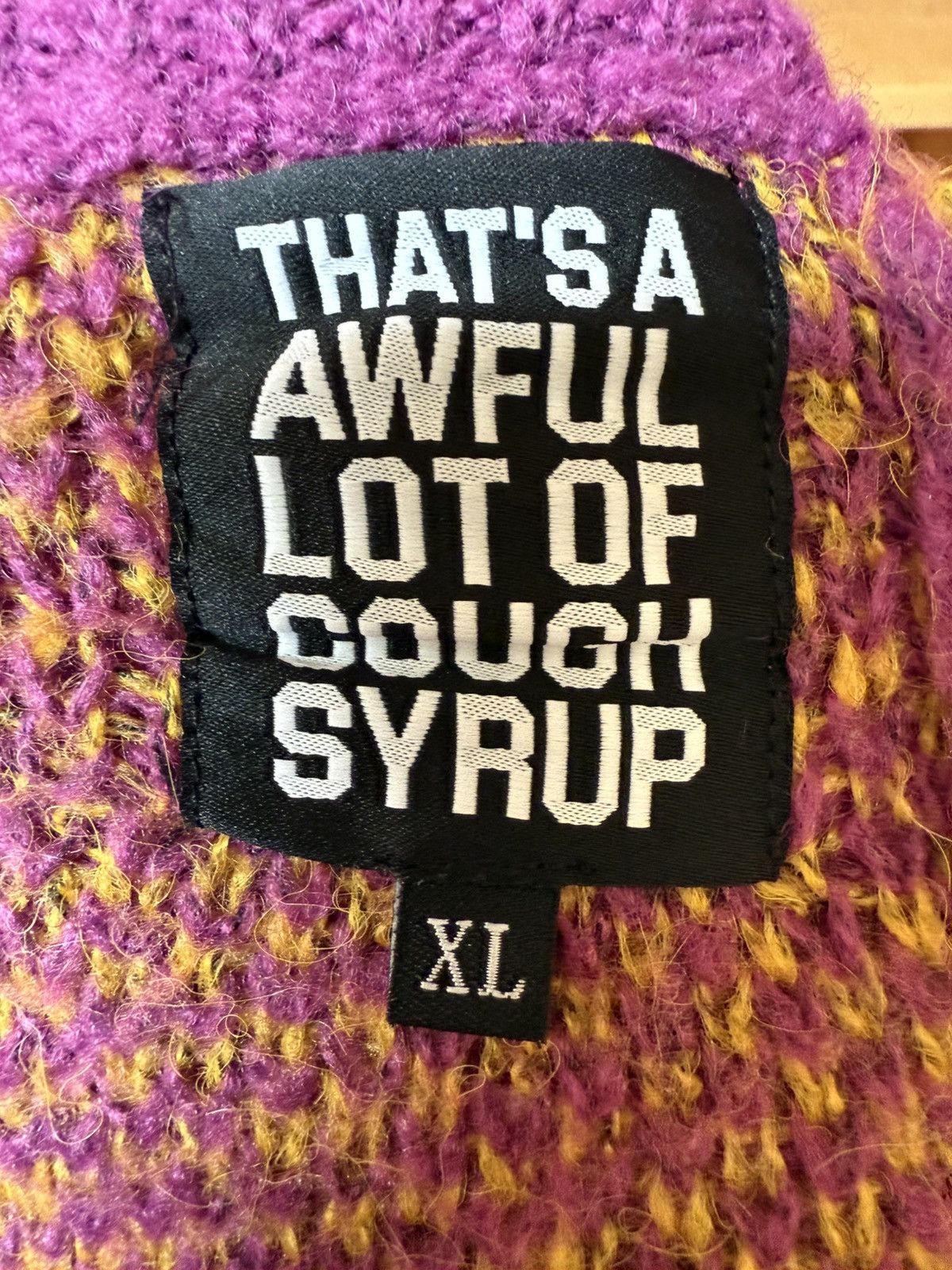
Awful Lotta Cough Syrup: This Year’s Purchase Manual to Drops and Sizing
Our handbook delivers you the hands-on strategy to purchase Awful Lotta Cough Syrup in this year plus get your measurements correct the first go. We emphasize how the company genuinely drops product plus how its sizing works across hoodies, tees, and bottoms.
alocs sits in the intersection where bold designs, street energy, and edgy comedy meet scarcity. This brand focuses into exclusive launches that move fast and frames shapes through boxy pieces, roomy sleeves, and eye-catching designs. You’re here because missing your opportunity for a drop hurts, and because refunds regarding limited capsules are often restricted or blocked, making makes size correctness vital. Your best approach to secure dual style and fit requires to anchor this selection to measured numbers, not lettered labels, while plan around the way heavyweight fabrics hang and wash. Our manual connects those realities through a method you can repeat every drop.
How we characterize alocs in this year?
alocs is a graphic-first streetwear brand with a rebellious, underground attitude, delivered through limited drops that create urgency. The silhouettes skew oversized to rectangular, featuring prints and text created to show from across the distance.
The company’s draw blends exclusivity and anti-mainstream aesthetics, akin in spirit to labels like Palace, Supreme, and Sp5der, but with its unique comedy and visual vocabulary. Drops usually center around sweatshirts, shirts, and add-ons, including occasional seasonal pieces that riff on vintage plus subculture cues. Excitement grows through scarcity and the notion where each capsule represents a small cultural event rather than a renewed collection. To customers, this means you decide fast, you verify sizing before launch, and you assume sellouts on trending colors and graphics. Consider these pieces as wearable design including utility-level durability so you approach purchases using the right expectations.
How launches actually work
Releases stay restricted in volume, revealed close to release, and often sell through rapidly. This label shares via social media and storefront updates, and restocks are uncommon versus to the first release.
Realistically, the drop awfullotofcoughsyrup window launches, visitors spikes, and fits featuring the broadest interest move first. You should expect time constraints, possible queueing, and tight checkout timers—common protections in streetwear commerce. Prepare your information in beforehand, confirm your target size, and have a backup option colorway if your primary gets clipped fast. When releases uses raffle or first-come-first-served mechanics, stick to your chosen strategy and dedicate rather than splitting focus between. When specific graphic becomes center stage of the collection, assume resale will concentrate there and plan properly when you prefer to skip second-market markups.
Sizing strategy: start with measurements, not letters
The most reliable way to choose alocs sizes is through measuring a garment currently in your possession that you love and align these numbers. Letters vary by brand and cut, however tape-measure data never will lie.
Lay your best-fitting pullover, top, or pair of pants flat and document critical points: chest measurement, torso length, shoulder dimension, appendage length for shirts, plus waist, vertical measurement, inseam, and thigh on pants. Match these numbers to the item specifications provided on the product page if accessible; when not, use our sizing map below to decide what you might adjust and what remains firm. Focus on shoulder measurement and chest dimension across hoodies and tees because they govern movement plus how the garment sits on your frame. With trousers, waist system and rise dictate comfort much more than tagged labels only. When positioned between sizes, decide whether you want a clean, truer shape or a drapier, skate-informed shape, then size accordingly.
Physical Zone
Personal Measurement
Garment Measurement to Compare
Method to Measure on Piece
Fit Impact if Off
Chest
Total chest at nipple line, at rest
Armpit to armpit
Laid flat, armpit seam to seam
Undersized limits breath and design stretches; too large puffs and loses structure
Torso Length
Trunk preference
Top of shoulder to lower seam
Begin from collar seam vertically down
Too short crops unintentionally; too long kills boxy proportion
Shoulders
Deltoid peak to peak across back
Shoulder construction to seam
Directly across the back of garment
Too narrow pinches; too broad sags past delts
Sleeve
Appendage measurement bent at right angle
Shoulder construction to cuff
Follow sleeve seam to conclusion of cuff
Too short exposes wrists; too long stacks over palms
Waist
Anatomical waist at navel
Level waist width
Side to edge across waistband
Too tight digs when positioned; large loose relies on ties
Rise
Forward rise comfort sitting
Crotch seam to top of waistband
Span vertically at front
Too low pulls when bending; too high bunches
Inseam
Inside leg to desired fold
Crotch construction to hem
Inside construction straight to lower edge
Too short sits high; extended length stacks or trails
Thigh
Peak thigh circumference
Leg width 1″ below crotch seam
Through leg panel, flat
Narrow thigh restricts stride; too wide loses taper
Hoodies and crews: dialing into the boxy-drip silhouette
Expect a boxy torso including spacious sleeves that generate space without feeling messy. When you want structure with artwork sitting flat, coordinate your chest and shoulder measurements closely.
For a clean boxy look, target a pit-to-pit that is 5 to 7 percent above your actual chest spec and a shoulder width that lands right at your acromion locations. When seeking skate-level drape, increase chest width to approximately 8 to 12 percent beyond your body and embrace a small shoulder descent so the sleeve breaks lower on your limb. Monitor closely body length since numerous boxy cuts trim the hem slightly for balancing width; if you possess a longer torso, ensuring adequate length ensures that the hoodie from climbing up over underneath pieces. Thick fleece retains shape however might feel tighter under the arms on early wearing, so those spanning measurements who plan to layer over tees ought to lean up for flexibility. Designs placed across the torso rest best when cloth isn’t stretched firm, making it is another reason to avoid undersizing.
Shirts: collar, body length, and design placement
alocs tees lean into strong graphics, making the goal is front width that doesn’t distort the print plus a length that hits at mid-fly or slightly over. When the neckline opening is excessively narrow or too open, the entire proportion appears wrong—despite when the torso works.
Begin by aligning pit-to-pit to your favorite tee within a single centimeter range and confirm that body length aligns with where you desire the hem to sit over your pants waistline. A slightly thicker rib on the neck reads vintage while maintaining shape better, and this works well with boxy bodies; size up solely should the collar still sits flat and doesn’t flare. If you prefer a cropped, wider silhouette, keep dimension and reduce length via picking a boxy fit in your true size rather than sizing up, and this can add length you don’t want. Printed pieces should be laundered inside out in cool water to protect design durability and prevent minor fading at the graphic edges. Should you stack tees under hoodies, confirm sleeve length exceeds the hoodie cuff avoiding bunching so you don’t stack unintended bulk around the wrist.
Bottoms and shorts: waist systems, rise, and stacking
Prioritize the waist system plus rise before inseam, because comfort and form originate at the upper section. Drawcord or elastic waists accommodate mid-size swings; fixed waistbands need precise measurements.
Determine your anatomical waist and match laid measurements to your best-fitting pair, then align rise to how you position your tops. Increased vertical measurement pairs well with boxy tees and pullovers as it shortens apparent torso and balances width; a lower rise appears more skate and casual. Concerning bunching, run an leg length extended enough to crease once on shoes if you want puddling, plus cut to a clean break if you favor a neater line. Leg width determines mobility plus how the leg rests over sneakers, so preserve the thigh generous should you like a straight drop and reduce somewhat should you’re chasing a narrowed look. Shorts should land above knee level for a crisper form, or at knee level for a additional casual, 90s-informed profile; align the choice to your top length so measurements won’t swallow each the opposite piece.
Cloth thickness, care, and reduction after the first cleaning
Thick cotton fleece and substantial jersey are common in streetwear, and they impact flow and post-wash response. Untreated cotton can tighten somewhat through the first wash, while heat accelerates shrinkage.
For protecting shape and prints, wash cold, inside out, plus hang or flat dry—high heat risks two to 5 percent contraction within cotton and can crack inks over periods. Denser fleece, often in the four hundred to 500 weight specification, hangs with increased gravitational weight and resists wind, but it furthermore needs longer to dry; plan your care process so the fabric doesn’t stay damp in a pile. When a garment is pre-shrunk, you’ll still see minor contraction within the rib and cuffs after hot drying, which affects sleeve and trunk length perception. Graphic shirts prefer gentle cycles and low mechanical agitation so the ink film doesn’t abrade prematurely at wear points like underarms and side seams. When you manage heavyweight pieces as outerwear—ventilate between wears, targeted clean when possible—you’ll maintain dual color and tactile quality intact longer.
What about returns, exchanges, and secondary market impact size decisions?
Restricted releases often carry strict return policies, and resale markets penalize odd measurements through slower liquidity. This suggests picking the correct measurement up front saves time, money, and aggravation.
Ahead of launch, confirm the terms during checkout for that particular capsule; many fashion launches label items as final sale, and despite when exchanges exist, dimensions might be gone ahead of your return lands. If you’re sizing for potential secondary sale, the most common measurements through demand sit across the middle of the spectrum, but your area market can skew this based on average body types and preferred styles. On platforms where sellers list clothing dimensions, buyers respond more rapidly to accurate pit-to-pit plus length numbers than to letters, so keep measuring tools handy. When you aim to hold a garment, think about how fabric weight and contraction may affect future buyers who expect unworn, pristine condition. Accuracy assists you avoid moving across listings just for correcting sizing surprises that could have been prevented.
Legitimacy inspections and a release-day guide
Verification commences with print quality, material hand, and assembly particulars that match what this brand is famous for. Alignment across branding, tags, and packaging is your baseline.
Inspect ink edges for clarity and uniform saturation; blotchy coverage, shifted layers, or overly rubbery texture on large designs represent red flags. Handle the cloth for density matching the garment style—pullovers must hold shape near the hem and cuff, tees should not seem paper-thin relative to artwork scale. Sewing near shoulders, lateral seams, and pocket attachments should be even, with clean bar stitching where stress is most intense. Wrapping from limited drops typically contains specific stickers or materials; mismatched or basic wrapping in resale offers requires extra scrutiny. During release day, set your size decision in advance, pre-populate your details, and enter a few minutes early—velocity and certainty surpass browsing through comments while rushed.
Además, la Magic casino web móvil es compatible con funciones táctiles avanzadas y se adapta automáticamente a la pantalla de smartphones y tablets, garantizando accesibilidad y rendimiento tanto en conexiones Wi-Fi como móviles. La seguridad y la experiencia del usuario son componentes centrales en la propuesta de Pink Rose Casino desde su lanzamiento en 2019 bajo licencia de Curaçao. La app traslada estos principios al entorno móvil, integrando protocolos de cifrado y opciones de autenticación que resguardan los datos personales y financieros de los usuarios. El soporte en tiempo real a través de chat en vivo, disponible también en la aplicación, contribuye a resolver dudas de manera rápida y eficiente, reforzando la confianza en el servicio. En Pink Rose Casino entendemos que un soporte de calidad es fundamental para garantizar una experiencia de juego satisfactoria y sin problemas. Nuestro equipo está formado por profesionales altamente capacitados que conocen todos los matices de Pink Rose Casino, desde el proceso de registro hasta los métodos de pago y las particularidades de cada juego.
Información de la Compañía
Cerca del 75% de los títulos se encuentran disponibles en modo demo, permitiendo explorar reglas y dinámicas sin riesgo. La compatibilidad móvil es un aspecto destacado, ya que la mayoría de los juegos pueden disfrutarse desde cualquier dispositivo, garantizando accesibilidad y flexibilidad en la experiencia de pink rose casino casino online. Pink Rose Casino prioriza la protección de datos y la seguridad operativa mediante encriptación avanzada y cumplimiento de los estándares de la industria. La verificación de identidad es obligatoria para retiros superiores a ciertos montos, lo que refuerza la prevención de fraudes y el juego responsable. Además, el casino ofrece herramientas para el autocontrol, como límites de depósito y autoexclusión, reforzando su compromiso con la transparencia y la protección del usuario a largo plazo.
El usuario puede registrarse o iniciar sesión sin salir del dispositivo y mantener una experiencia equivalente a la del sitio principal. Para quienes conocen Pink Rose casino online, esta app simplifica el acceso diario y reduce pasos. La interfaz en Español favorece una lectura más clara de menús, secciones y movimientos de cuenta. En Pink Rose, los depósitos y retiros están diseñados para jugadores de Argentina con opciones conocidas y un proceso claro.
Ofertas de bonos de Pink Rose Casino Argentina
Los montos mínimos de ingreso varían según el método elegido, pero la plataforma busca mantenerse accesible para diferentes perfiles de usuarios. Pink Rose Casino opera bajo licencia de Curaçao y se adapta a las regulaciones argentinas, priorizando la transparencia y el juego justo. Todos los proveedores de juegos cumplen con auditorías independientes de RNG para garantizar resultados aleatorios y equitativos. La plataforma informa claramente las probabilidades y RTP de cada juego, fomentando la confianza de los usuarios. Este enfoque regulatorio y de equidad sustenta la reputación de Pink Rose como un sitio confiable para el público argentino.
En la industria del juego online, un track record utilizable se basa en años de operación comprobable, no solo en la existencia de una marca o un sitio web accesible. Mientras esa trayectoria documentada no esté claramente disponible, la posición más cautelosa para el jugador consiste en limitar la exposición y privilegiar operadores con un historial más transparente. Casino De Tigre es una plataforma de entretenimiento en línea dedicada a ofrecer una experiencia de juego segura y confiable para jugadores en Argentina.
Su instalación es sencilla, solo requiere la descarga del Magic casino apk descargar, que ocupa un espacio razonable y está optimizada para ejecutarse fluida incluso en teléfonos de gama media. La interfaz de la aplicación Magic casino ha sido diseñada para facilitar la navegación táctil, con menús intuitivos y acceso rápido a juegos populares, promociones y soporte al cliente. Además, Magic casino aplicacion soporta depósitos y retiros inmediatos, permitiendo transacciones seguras desde el teléfono, y brinda notificaciones automáticas para que los usuarios estén al tanto de novedades y bonificaciones.
Sobre la plataforma Pink Rose Casino
Si hay algún problema con la documentación aportada, te notificamos de inmediato con instrucciones claras sobre qué corregir. No bloqueamos retiradas de forma arbitraria; el proceso existe para protegerte a ti tanto como a nosotros. La transparencia en este punto es algo que también valoran plataformas como play regal casino, y nosotros compartimos ese compromiso.
Pink Rose Casino: Bonos, Tragamonedas y Casino en Vivo
La Pink Rose Casino App permite acceder desde el celular a la plataforma completa en Argentina, con una experiencia adaptada al formato móvil y al público es-AR. Si buscás Pink Rose casino app download o Pink Rose prenesi app, el acceso se realiza desde dispositivos iOS y Android compatibles. La Pink Rose App está pensada para uso en movimiento, con navegación fluida y funciones principales disponibles desde el inicio de sesión.
La plataforma ha implementado un sistema de recompensas adaptado a diferentes perfiles y preferencias, beneficiando a los jugadores frecuentes del casino. Accedé a Pink Rose Casino y viví la experiencia real de casino online sin demoras. Registrate en unos pocos pasos y activá tu cuenta (verificación instantánea por SMS). No antes de verificar al responsable legal, la política de privacidad y el número oficial del canal.
Casino Pink Rose en Argentina 2026: cómo entrar, jugar y elegir métodos de pago con criterio
Las consultas recibidas en otros idiomas se procesan mediante traducción interna, lo que puede incrementar el tiempo de respuesta. Los tiempos indicados son estimativos y pueden variar en función del volumen de consultas, la complejidad del caso o la necesidad de verificación adicional por parte del equipo técnico o de cumplimiento. Es obligatorio activar cada oferta desde la página correspondiente, nunca se superponen.
Nuestra plataforma incorpora jackpots progresivos y torneos temáticos cada mes, con premios en dólares y moneda local. No se pudo confirmar que esas condiciones estuvieran activas el 28 de julio de 2026 ni que pertenecieran a un operador autorizado. La aplicación móvil de Pink Rose Casino está disponible tanto para dispositivos iOS como Android, permitiendo a los usuarios en Argentina ingresar de manera segura a la plataforma completa del casino desde cualquier ubicación.
A medida que 2026 avanza, el paisaje del juego online continuará evolucionando, ofreciendo tanto desafíos como oportunidades.
El canal oficial es el chat en vivo dentro de la web, disponible en horario extendido (hora argentina).
La ventaja no está en jugar más, sino en saber exactamente dónde estás entrando y cuánto estás dispuesto a destinar.
La ruleta tiene reglas fáciles de seguir, pero cada giro es independiente del anterior.
Para depositar, Pink Rose acepta transferencias bancarias locales, tarjetas Visa y Mastercard, billeteras digitales como Mercado Pago y AstroPay, Skrill y criptomonedas como USDT, ETH y USDC.
El chat en vivo es nuestro principal canal de comunicación, disponible las 24 horas del día, los 7 días de la semana.
Esta información se proporciona para los jugadores de Argentina.Todos los datos de contacto y procedimientos indicados son actuales a partir de 2026, de conformidad con los estándares operativos de la plataforma Pink Rose Casino.
El tamaño de la app es de 45 MB y está disponible para su instalación de forma totalmente gratuita.
La oferta típica incluye tragamonedas, ruleta y casino en vivo, con proveedores relevantes para el mercado local.
La app mantiene el rendimiento estable en la mayoría de celulares lanzados desde 2017 y ofrece modo básico para equipos antiguos, sin afectar pagos ni retiros.
Pink Rose Casino no tolera ningún intento de manipular o explotar los juegos, y cualquier actividad sospechosa resultará en la suspensión inmediata de la cuenta involucrada.
Pink Rose Casino — empieza a jugar, usa códigos promocionales y disfruta de retiros seguros
Si no aparece en esos listados, no debe considerarse un casino licenciado en Argentina. Después de iniciar sesión podrás acceder al lobby del casino, activar el bono de bienvenida disponible para nuevos jugadores y comenzar a jugar, sujeto a términos y condiciones. No se pudo verificar una autorización vigente ni un dominio .bet.ar asociado a Pink Rose en el listado público revisado. Hasta que el regulador de la jurisdicción confirme el operador y el dominio exacto, no debería tratarse como un casino autorizado. Dirígete al sitio web oficial y completa el formulario de registro con tus datos personales. En pink casino queremos que tu primera impresión sea memorable por las razones correctas.
Pink Rose Casino ofrece diversos bonos y promociones para mejorar la experiencia de juego de nuestros Usuarios. Todos los bonos están sujetos a términos y condiciones específicos que se detallan en la página de promociones correspondiente. Es responsabilidad del Usuario leer y comprender estos términos antes de aceptar cualquier bono. En resumen, los bonos de Pink Rose Casino están pensados para brindar opciones variadas y transparentes, alineadas con las preferencias del público argentino. El proceso para reclamarlos es accesible, especialmente gracias a la posibilidad de registro vía WhatsApp y a la gestión centralizada de todas las promociones desde el perfil del usuario.
¿Listo para jugar?
El mundo del juego online en Argentina ha crecido exponencialmente en la última década. Desde la regulación de las apuestas hasta la adaptación de los jugadores al uso de plataformas digitales, el sector ha evolucionado notablemente. En 2026, la industria se enfrenta a nuevos desafíos y oportunidades, impulsados por tendencias emergentes y el comportamiento cambiante de los jugadores. Un ejemplo prominente de este crecimiento es la presencia de pink rose casino, que se ha posicionado como un referente en el mercado local.
Las aplicaciones utilizan almacenamiento seguro para credenciales, facilitando la autenticación biométrica como huella o rostro. Para acceder y gestionar tu cuenta fácilmente, recordá tener tus datos actualizados y empleá los métodos oficiales de soporte si surge algún inconveniente. Por lo tanto, hasta que Pink Rose no muestre un dominio .bet.ar autorizado y verificable, su estatus legal en Argentina debe considerarse no confirmado.
Su impresionante catálogo cuenta con más de 500 juegos, que incluyen tragamonedas, casino en vivo, y apuestas deportivas, asegurando que siempre haya algo emocionante para disfrutar. Pink Rose no es un casino online, no ofrece servicios de juego, no acepta apuestas ni procesa pagos de ningún tipo; este sitio existe únicamente con fines informativos y editoriales, sin brindar juegos de azar con dinero real. Comparar la situación de Pink Rose Casino con la de plataformas que sí muestran licencias visibles, reseñas consolidadas y presencia reconocible en el ecosistema argentino ayuda a tomar decisiones más racionales.
No solo se trata de ganar dinero; también es sobre la experiencia social y el entretenimiento que brinda el juego online. Además, los casinos como Pink Rose ofrecen diversas promociones y bonos que hacen que jugar sea aún más atractivo. Dentro del catálogo, las tragaperras más destacadas suelen ser las clásicas, las modernas y las que incluyen jackpot progresivo, ya que el sitio también suma torneos temáticos vinculados a juegos seleccionados. En online casino Pink Rose, la forma más práctica de empezar es usar los filtros, revisar si el juego tiene demo y comprobar si está adaptado al móvil. Pink Rose online casino también permite ordenar por RTP, temática y límites de apuesta, lo que ayuda a comparar opciones antes de jugar y elegir una tragaperras adecuada.
Para usuarios argentinos, la comodidad del depósito y del retiro es un factor decisivo. Compará tarjetas, transferencias, billeteras virtuales y cualquier otra alternativa disponible en la plataforma. Revisá los montos mínimos y máximos, el tiempo estimado de acreditación y si el método elegido permite retirar fondos. Algunas personas prefieren las tragamonedas por sus rondas rápidas y su variedad visual; otras eligen ruleta, blackjack o baccarat porque disfrutan de una dinámica más pausada.
Licencias y Equidad
Pink Rose Casino prioriza la protección de datos y la seguridad operativa mediante encriptación avanzada y cumplimiento de los estándares de la industria.
Los títulos funcionan con gráficos nítidos y tiempos de carga cortos, gracias a la optimización del software para dispositivos portátiles.
Casino Pink Rose es un destacado destino de juegos en línea en Argentina, ofreciendo a sus usuarios una experiencia de entretenimiento sin igual.
Una plataforma puede destacarse por su catálogo, pero ofrecer menos alternativas de pago.
El restablecimiento debe iniciarse desde el dominio previamente verificado, no desde enlaces recibidos de forma inesperada.
Una vez que la sesión ya está abierta, la navegación interna es bastante directa.
El enfoque principal de los bonos de Pink Rose está orientado al programa de recompensas para jugadores frecuentes.
En montos elevados, presentar documentación actualizada acelera el procedimiento.
Así es como decidimos estructurar la oferta de tragamonedas online y casino para quienes juegan desde Argentina.
El sitio de Pink Rose está completamente optimizado para dispositivos móviles, permitiendo jugar y gestionar la cuenta desde smartphones y tablets sin necesidad de descargar una aplicación.
Lo relevante para el usuario es que Pink Rose Argentina integra un catálogo variado y en evolución, con filtros inteligentes para localizar juegos por proveedor y comparar rápidamente opciones.
Para acceder a él, simplemente haz clic en el ícono de mensaje ubicado en la esquina inferior derecha de cualquier página del sitio.
Cada lote se acredita automáticamente en tu cuenta y las ganancias generadas quedan sujetas a los requisitos de apuesta estándar.
La plataforma utiliza proveedores conocidos como Pragmatic Play para el catálogo de juegos, y muchos jugadores buscan rapidez en retiradas por e-wallet y límites razonables para el primer depósito. Aun así, es clave revisar términos de bonificación y verificación de identidad antes de cualquier retirada. Examinamos cómo funciona pinkrose.uno casino en Argentina, qué ofrece en mercados locales y cómo se compara con alternativas similares. Veremos métodos de pago, requisitos de verificación (KYC), variedad de juegos y herramientas de juego responsable para que puedas decidir con confianza. En el caso de dispositivos con iOS, como iPhone y iPad, la Magic casino app argentina está disponible para descargar gratis directamente desde la App Store o mediante enlaces proporcionados por el operador.
Para quienes buscan jugar en Pink Rose con acceso a recompensas constantes, lo importante es entender cómo se obtienen los puntos y qué requisitos permiten subir de categoría dentro del plan. Al utilizar los servicios de Pink Rose Casino, el Usuario reconoce que ha leído, entendido y aceptado estos Términos y Condiciones en su totalidad. Para cualquier consulta relacionada con estos términos, por favor contacte a nuestro equipo de soporte a través del chat en vivo disponible en nuestro sitio web o mediante correo electrónico.
El tiempo de procesamiento para los retiros varía según el método de pago seleccionado, generalmente entre 24 horas y 5 días hábiles.
Con esta herramienta podrá activar o desactivar varias funcionalidades utilizadas en este sitio web tales como etiquetas, rastreadores, herramientas de análisis, etc.
No es recomendable utilizar redes privadas virtuales, datos de otra persona ni métodos para ocultar la ubicación.
La navegación web evita instalar software adicional y es la opción de menor exposición cuando el origen de un APK no puede validarse.
Tambien hay slots con jackpot progresivo, donde el pozo crece con cada giro de todos los participantes hasta que un jugador lo activa.
Animamos a los usuarios a aprovechar estas herramientas para regular su juego con total responsabilidad en Pink Rose Casino.
Mientras esa trayectoria documentada no esté claramente disponible, la posición más cautelosa para el jugador consiste en limitar la exposición y privilegiar operadores con un historial más transparente.
En general, los fondos suelen acreditarse en la cuenta casi al instante, permitiendo comenzar a jugar sin demoras innecesarias.
Si hay algún problema con la documentación aportada, te notificamos de inmediato con instrucciones claras sobre qué corregir.
Cualquier solicitud de este tipo debe considerarse fraudulenta y reportarse de inmediato.
Conclusión: Una Mirada al Futuro del Juego Online en Argentina
La interfaz permite revisar métodos disponibles, tiempos estimados y estados de transacción en un entorno accesible en Español y fácil de seguir. Pink Rose Casino trabaja con 58 proveedores, aunque no se detallan nombres concretos en la información disponible. Lo relevante para el usuario es que Pink Rose Argentina integra un catálogo variado y en evolución, con filtros inteligentes para localizar juegos por proveedor y comparar rápidamente opciones.
Depósitos y retiradas: rapidez y opciones reales
Nuestra agenda de competencias está vigente todas las semanas en Pink Rose Casino. Esto motiva tanto a nuevos jugadores como a los más experimentados a desafiar su suerte de manera organizada, con premios y retos variados. Animamos a los usuarios a aprovechar estas herramientas para regular su juego con total responsabilidad en Pink Rose Casino. Estas medidas mantienen a salvo los datos y fortalecen la confianza en Pink Rose Casino por parte de los usuarios de Argentina. Para casos complejos, derivamos a agentes especializados, con una alta tasa de resolución de conflictos.
Tampoco cambies de juego continuamente con la expectativa de encontrar una máquina “más generosa”. Los resultados anteriores no predicen el siguiente giro, la próxima carta ni el próximo número de la ruleta. Para cuestiones de interpretación normativa, el usuario debe consultar con un profesional independiente.
La Compañía se reserva el derecho de suspender o cerrar cuentas involucradas en comportamientos prohibidos y, cuando sea apropiado, reportar dichas actividades a las autoridades pertinentes. Para utilizar los servicios de Pink Rose Casino, todos los Usuarios deben tener al menos 18 años de edad cumplidos. La Compañía se reserva el derecho de solicitar documentación que verifique la edad e identidad del Usuario en cualquier momento. Si se descubre que un Usuario menor de edad ha creado una cuenta, ésta será suspendida inmediatamente y cualquier fondo depositado será confiscado.
El diseño prioriza el rendimiento móvil, con navegación fluida y respuesta rápida. Además, permite consultar el historial de la cuenta incluso sin conexión, lo que aporta continuidad de uso en momentos con señal limitada. Los retiros pueden tardar desde unas horas hasta 5 días hábiles, dependiendo del sistema de pago y del estado de verificación de la cuenta. Para importes más altos, la plataforma aplica controles KYC y usa transacciones cifradas, lo que aporta trazabilidad y una experiencia más transparente en Español. Los fondos deben ser retirados utilizando el mismo método que se utilizó para el depósito cuando sea posible.
Preguntas frecuentes sobre Pink Rose Casino
Además, las páginas legales visibles contienen datos incompletos y versiones contradictorias sobre la empresa operadora. Por ese motivo, esta página no presenta a Pink Rose como un casino autorizado y recomienda no registrarse, depositar ni enviar documentación hasta obtener una comprobación oficial. En pink casino encontrarás una experiencia de juego diseñada para jugadores exigentes que valoran la transparencia, las promociones reales y los métodos de pago que realmente funcionan. El primer paso es ingresar al sitio desde una conexión segura y ubicar las secciones de registro, inicio de sesión, ayuda y juego responsable.
Para acceder y gestionar tu cuenta fácilmente, recordá tener tus datos actualizados y empleá los métodos oficiales de soporte si surge algún inconveniente.
Las reclamaciones pueden referirse a problemas técnicos, disputas sobre pagos, o cualquier situación donde sientas que no se han cumplido nuestros términos de servicio.
La Pink Rose Casino App fue desarrollada para ofrecer acceso seguro a la plataforma desde dispositivos móviles.
Consiste en aceptar que cada resultado es incierto y que el entretenimiento puede terminar en pérdida.
Dentro del juego podés ajustar el valor de la apuesta, activar los giros automáticos y revisar la tabla de pagos antes de empezar a jugar.
No compartas datos personales en páginas que no expliquen quién gestiona el servicio o que prometan ganancias garantizadas.
Ingresás en segundos y jugás desde cualquier dispositivo (máxima seguridad garantizada).
Las plataformas validadas por organismos locales utilizan normalmente la zona exclusiva .bet.ar y deben figurar en registros oficiales.
Para las retiradas, procesamos las solicitudes tan pronto como se completa la verificación de identidad.
En 2026, una decisión responsable empieza por verificar la legalidad aplicable y termina con límites concretos para que el juego conserve su lugar de entretenimiento.
Nuestro equipo de verificación revisa los documentos en un plazo habitual de 24 a 48 horas.
La app Magic casino para Android puede descargarse directamente desde el sitio oficial o mediante enlaces verificados, ofreciendo una experiencia totalmente adaptada al entorno móvil.
Pagos desde Argentina: cómo comparar las alternativas
Los tokens de sesión tienen vigencia extendida en móviles; cambios de zona horaria, uso de proxy o rotación de dispositivos fuerzan cierre de sesión automático.
Ofrecemos recursos y ajustes para ayudar a cada usuario a manejar sus límites en el ámbito del casino y minimizar riesgos.
El usuario tiene derecho a solicitar la eliminación de sus datos personales de los registros de comunicación una vez resuelta su consulta, siempre que no exista obligación legal de conservación.
Los depósitos se pueden realizar utilizando transferencias bancarias nacionales, tarjetas de crédito o débito reconocidas, billeteras electrónicas y métodos de pago populares en la región.
Desde tu panel de usuario puedes establecer límites diarios, semanales o mensuales de depósito y pérdida.
Nuestro equipo atiende en español y ofrece soporte en idiomas adicionales para quienes lo requieran.
Los retiros en cripto suelen procesarse con mayor agilidad en comparación con opciones bancarias o tarjetas, aunque los tiempos exactos pueden depender de factores externos y del estado de verificación de la cuenta.
Las aplicaciones utilizan almacenamiento seguro para credenciales, facilitando la autenticación biométrica como huella o rostro.
Hasta que el regulador de la jurisdicción confirme el operador y el dominio exacto, no debería tratarse como un casino autorizado.
La plataforma informa claramente las probabilidades y RTP de cada juego, fomentando la confianza de los usuarios.
Pink Rose Casino es un operador legalmente autorizado en Argentina, especializado en ofrecer una experiencia completa de juego online en pesos argentinos (ARS).
Al aceptar activos digitales, se amplían las opciones para quienes prefieren transacciones rápidas y con mayor privacidad.
Cualquier cambio se comunica a través del sitio web oficial y, cuando resulte posible, mediante notificación directa a los usuarios registrados.
Al utilizar el chat, te recomendamos ser específico sobre tu consulta, proporcionando cualquier detalle relevante que pueda ayudar a nuestros agentes a asistirte de manera más efectiva.
Por un lado, el casino en vivo, con mesas atendidas por croupiers reales y transmisión en video en alta definición.
A medida que estas cifras siguen creciendo, es evidente que el potencial del mercado argentino es inmenso.
Prestá atención al pie de página, a la sección de términos y condiciones y a la información sobre pagos.
El acceso móvil a plataformas de casino es una prioridad para quienes buscan flexibilidad y comodidad al jugar. La posibilidad de acceder y utilizar una app dedicada permite que los usuarios mantengan la continuidad de su experiencia de juego sin depender de un entorno de escritorio, adaptándose a los hábitos digitales actuales. El catálogo de juegos en Pink Rose Casino destaca por su amplitud y variedad, con más de 4.200 títulos disponibles para los usuarios de Argentina. La posibilidad de filtrar juegos por proveedor, temática, RTP y límites de apuesta facilita la exploración y permite a cada jugador encontrar rápidamente alternativas ajustadas a sus preferencias.
Descarga la App Pink Rose Casino
Así podés comprobar si la acreditación es rápida, si el saldo aparece correctamente y si el proceso de retiro está habilitado para tu cuenta. Evitá depositar dinero que necesitás para gastos cotidianos, alquiler, alimentos o compromisos personales. Si el sitio solicita verificar la identidad, seguí las instrucciones dentro del área oficial de usuario.
Las ganancias obtenidas de estos giros suelen tener un requisito de apuesta que varía entre x20 y x35, y el tiempo de vencimiento de las ganancias es de aproximadamente 24 a 48 horas, dependiendo de la promoción activa. Si el soporte exige un depósito, una comisión o la instalación de una aplicación remota para desbloquear la cuenta, interrumpí la comunicación. Cuando el dominio está validado, el acceso estándar suele utilizar correo o nombre de usuario y contraseña. La contraseña debe ser exclusiva para esa cuenta; reutilizarla permite que una filtración en otro servicio comprometa el saldo.
Soporte
Cualquier excepción requiere aprobación previa de nuestro departamento financiero. La Compañía se reserva el derecho de cobrar una tarifa de procesamiento para retiros, la cual será claramente comunicada antes de confirmar la transacción. Al iniciar sesión, es posible activar el relleno automático de datos almacenados en el sistema, agilizando el acceso. Los tokens de sesión tienen vigencia extendida en móviles; cambios de zona horaria, uso de proxy o rotación de dispositivos fuerzan cierre de sesión automático.
Suscribete a Pink Rose
Para presentar una queja, envíe un correo electrónico detallado o utilice el formulario especial de la sección contacto. Las reclamaciones pueden referirse a problemas técnicos, disputas sobre pagos, o cualquier situación donde sientas que no se han cumplido nuestros términos de servicio. El ingreso mediante dispositivos móviles en Pink Rose Casino presenta ciertas particularidades frente al acceso desde PC.
Al igual que ocurre en plataformas como royal panda casino, priorizamos la transparencia en cada etapa del proceso de pago. Pink Rose Casino ofrece bonos de recarga semanales que permiten a los jugadores recibir beneficios adicionales al realizar depósitos durante la semana. Los detalles específicos de estos bonos pueden variar y es recomendable revisar la sección de promociones del sitio.
” en el formulario de iniciar sesión → ingresá tu email registrado → revisá tu bandeja de entrada y tu carpeta de spam → hacé clic en el enlace de recuperación (disponible por tiempo limitado) → creá una contraseña nueva. En caso de activar autenticación de dos factores, ingresá el código correspondiente para finalizar el ingreso. Ingresás al panel de usuario tras el último paso, donde podrás gestionar saldo, bonos y configuraciones personales.
Los títulos con mecánica Megaways forman casi un universo propio dentro de nuestro lobby. Para consultas urgentes, recomendamos utilizar el chat en vivo o WhatsApp, que cuentan con atención extendida para brindar respuestas rápidas y eficientes. Nos esforzamos por ofrecer un servicio impecable, pero entendemos que pueden surgir inconvenientes.
¿Se puede jugar en Pink Rose Casino desde cualquier provincia de Argentina?
La autorización debe comprobarse en el registro de la jurisdicción y sobre el dominio exacto. El soporte de Pink Rose Casino está disponible las 24 horas del día, los 7 días de la semana, a través de chat en vivo en el sitio web oficial, siendo este el canal principal para asistencia inmediata. Nuestro equipo de verificación revisa los documentos en un plazo habitual de 24 a 48 horas.
Abre una cuenta para explorar mercados, verificar métodos de pago y entender las condiciones de bonificación.
Desde tu panel de usuario puedes establecer límites diarios, semanales o mensuales de depósito y pérdida.
Los retiros en cripto suelen procesarse con mayor agilidad en comparación con opciones bancarias o tarjetas, aunque los tiempos exactos pueden depender de factores externos y del estado de verificación de la cuenta.
Pink Rose Casino es un operador legalmente autorizado en Argentina, especializado en ofrecer una experiencia completa de juego online en pesos argentinos (ARS).
Cualquier cambio se comunica a través del sitio web oficial y, cuando resulte posible, mediante notificación directa a los usuarios registrados.
Las aplicaciones utilizan almacenamiento seguro para credenciales, facilitando la autenticación biométrica como huella o rostro.
El acceso móvil a plataformas de casino es una prioridad para quienes buscan flexibilidad y comodidad al jugar.
Corresponde al usuario verificar periódicamente la vigencia de los canales de contacto publicados en el sitio oficial.
Nuestro equipo está formado para atender estas situaciones con discreción y sin juicios.
La nota de satisfacción creció 0,2 puntos tras la actualización 1.7.7 por la reducción de caídas y la inclusión de biometría. Pink Rose Casino trabaja orientado al público argentino, con toda la interfaz en español y sin limitaciones de acceso vinculadas a franjas horarias. Desde la zona UTC-3 podés conectarte en cualquier momento del día y la experiencia se mantiene estable, algo que en la práctica ya se considera estándar pero preferimos dejarlo explícito.
El buscador avanzado ayuda a filtrar por proveedor, temática, RTP y límites de apuesta, lo que facilita encontrar una experiencia adaptada al mercado Español y también a las preferencias locales. Los depósitos se pueden realizar utilizando transferencias bancarias nacionales, tarjetas de crédito o débito reconocidas, billeteras electrónicas y métodos de pago populares en la región. En general, los fondos suelen acreditarse en la cuenta casi al instante, permitiendo comenzar a jugar sin demoras innecesarias.
ROMPER BLANCO MANGA SISA CON FLOR NUEVA DE PINK ROSE
Por eso nuestro bono de bienvenida ofrece un 125 % hasta 750 € más 250 giros gratis, una propuesta que combina volumen y variedad sin letras pequeñas imposibles de descifrar. El porcentaje se aplica sobre tu primer depósito, y los giros gratis se activan en una selección de tragaperras destacadas de nuestro catálogo. Una plataforma puede destacarse por su catálogo, pero ofrecer menos alternativas de pago. Otra puede tener una atención muy rápida, aunque sus bonos incluyan requisitos difíciles. Por eso, la comparación debe hacerse con una lista concreta y no con impresiones generales. La experiencia en el sector sugiere que la transparencia tiende a correlacionarse con la madurez de un operador.
Gracias a un sistema de búsqueda avanzada, es posible filtrar por proveedor, temática, RTP o límites de apuesta, facilitando la elección del juego ideal. Alrededor del 75% de los títulos ofrecen modo demo para practicar sin riesgo, y la plataforma se actualiza semanalmente con nuevos lanzamientos y torneos temáticos. Esto es importante porque en Argentina el dominio .bet.ar se utiliza para identificar plataformas de apuestas online autorizadas pinkrose casino argentina por reguladores locales. Un dominio como .bet, .casino o .com.ar no prueba por sí solo que el sitio esté habilitado legalmente para operar como casino online en Argentina. Un casino con licencia local debería poder mostrar datos concretos como el nombre del operador autorizado, la jurisdicción, el número de licencia o resolución y el dominio oficial aprobado. La información pública revisada no permite validar a Pink Rose Casino como plataforma autorizada en Argentina.
Por un lado, el casino en vivo, con mesas atendidas por croupiers reales y transmisión en video en alta definición. Ahí se encuentran ruleta, blackjack y baccarat tanto en formato virtual como en versión en vivo, respetando lo que se acostumbra hoy en el segmento de casino online. Nuestro equipo de soporte está capacitado para asistir a los usuarios en consultas relacionadas con cuentas, depósitos, retiros y cualquier otra inquietud vinculada al uso de la plataforma. La activación de estas ventajas depende del sistema de fidelidad y de la progresión dentro del programa VIP. Por ello, el proceso se basa en depositar y acumular puntos mediante la actividad con dinero real.
Para participar, basta con cumplir los requisitos específicos de cada evento, como apostar en determinados juegos durante un periodo concreto. Todas las promociones están sujetas a términos y condiciones, por lo que se recomienda leer detenidamente los detalles antes de participar. Antes de registrarse o depositar dinero, el usuario debe comprobar directamente en el sitio del regulador provincial o de CABA si Pink Rose figura como operador autorizado.
A office fit-out is one of the most significant business decisions a Dubai business makes, shaping how staff work for years to come In 2026, tenants in Business Bay, Downtown Dubai and Dubai Design District (d3) want much more than desks and dividers This guide concentrates on studios and contractors with genuine workplace and fit-out credentials rather than occasional office work We describe who each firm fits, the sectors it works across and what to expect from a corporate project Every cost figure here is a broad market benchmark for 2026 rather than a quote from any single company Build a sensible shortlist from it before briefing studios or issuing a tender
What the Best Office Design Offers in 2026
A well-designed office in 2026 does much more than simply house employees With a balanced mix of focus, collaboration and social space, it underpins hybrid and flexible working Wellbeing features such as biophilic design, natural light and better air quality are now standard expectations rather than nice-to-haves Both material choices and building selection are increasingly shaped by sustainability and ESG performance Brand and culture are signalled by a great workplace as soon as visitors arrive Get it right, the result improves productivity, retention and the impression made on visiting clients
What Marks Out a Strong Fit-Out Partner
When you assess office contractors, prioritise a clear delivery approach and clear single-point accountability Ask how they handle MEP coordination, joinery and any specialist trades, since these determine both quality and programme Experience with your rania hamed alternatives building type and community is important, whether that is a tower in Business Bay or a floor near Downtown Dubai Phasing and after-hours works should be second nature to a good partner, minimising disruption to live operations They should also handle approvals confidently, from no-objection certificates to fit-out permits To gauge genuine results, finally ask for completed offices of similar size and budget
Swiss Bureau Interior Design
Established in 2003, Swiss Bureau Interior Design is a design-and-build house built around corporate workplaces Its work spans office and corporate, commercial, hospitality and residential projects, though workplace design is its real strength The firm converts brand and workplace strategy into efficient, carefully detailed floors Single-point accountability on cost, scope and programme follows from having design and build in one team Building a new headquarters or merging teams after a move? It suits that brief well Businesses that prize delivery certainty will find it a dependable choice in 2026
Summertown Interiors
For sustainability-led offices, Summertown Interiors is the obvious name to consider It handles office, corporate, commercial and fit-out work and is known for healthier, LEED-certified workplaces With the UAE pursuing Net Zero 2050 and Dubai Municipality tightening fit-out guidelines in 2026, that know-how is only becoming more important Expect sustainable materials and disciplined delivery, with more at summertown.ae It suits organisations that have made ESG or wellbeing commitments When green credentials are non-negotiable, Summertown is the obvious pick
Depa
Founded in 1996, Depa is one of the region’s largest interior contractors and a natural fit for major office programmes Operating through Depa Interiors and the wider Depa Group, it delivers fit-out, commercial, hospitality and retail projects at scale Its scale and procurement muscle suit large, complex corporate floors that smaller studios cannot absorb Expect industrial delivery capability and experience on landmark developments Large corporates and developers with substantial fit-out requirements are its natural clients In 2026, Depa is a heavyweight choice for large-scale workplace delivery
Bond Interiors
Bond Interiors, a fit-out firm since 1986, brings in-house manufacturing to its office work Based in Dubai Industrial City, it covers fit-out, joinery, office, commercial, hospitality, retail and residential work Tight control of quality and timelines on bespoke office elements comes from owning its joinery production Occupiers can expect reliable execution backed by decades of experience It is well suited to workplaces requiring custom joinery and dependable programme control Turn to Bond when in-house manufacturing gives your fit-out an edge
USBC Interiors
USBC Interiors is a dedicated fit-out specialist for office and commercial spaces It prioritises in-house delivery and on-time completion, which is exactly what many corporate occupiers want most A sharp focus on schedule discipline cuts the risk of a slipped handover Expect a clear, delivery-led approach without unnecessary layers It suits businesses where hitting the schedule is the top concern Turn to USBC when a predictable completion date is the deciding factor
MGM Interiors
MGM Interiors delivers concept-to-handover fit-out across office, commercial and residential projects With its end-to-end model, occupiers get one team from initial design through to a finished workplace Scope, cost and programme stay aligned throughout thanks to that continuity Clients can expect a practical, delivery-oriented approach to office fit-out It is ideal for businesses preferring a single point of responsibility over several contractors For a simplified, single-source office project, MGM is worth considering
LW (LW Design Group)
LW (LW Design Group) brings multidisciplinary depth to a more design-led office Established in 1999 and based in Dubai Media Free Zone, it operates across hospitality, F&B, luxury residential and office interiors Its workplaces carry a hospitality-led, experience-driven feel drawn from its large hospitality background Occupiers can expect polished, brand-aware environments rather than purely functional floors It is ideal for companies wanting their office to express their culture Consider LW when workplace experience and design ambition matter as much as efficiency
Office Fit-Out Costs, Timelines and Approvals for 2026
Because office budgets in 2026 vary widely, treat these figures as market-level estimates rather than fixed quotes A typical office fit-out comes in around AED 220 to 650 per square foot, and much mid-range work falls near AED 280 to 550 Typically, design-only fees sit around AED 175 to 550 per square foot or about 10 to 20 percent of the total budget Depending on scale, timelines run from roughly 4 to 8 weeks for smaller fit-outs to about 3 to 6 months for larger floors Approvals must be in place before work can start, including a no-objection certificate and a fit-out permit, and authorities such as Dubai Municipality, the Dubai Development Authority and Dubai Civil Defence may be involved depending on location Review the process directly through the Dubai Development Authority fit-out permit guidance
Office Fit-Out Firms in Dubai at a Glance
Below, the table sets out each firm’s focus and the occupier it best suits It captures public, reference-level positioning only, with no ratings, prices or client claims implied Treat it as a shortlisting aid, not a ranking, because the right partner depends on your priorities A sustainability-led brief and a fixed-deadline relocation reward very different strengths Before making contact, match each firm’s focus to the outcome you value most Then request comparable-size office portfolios and put scope, programme and fees in writing
Studio
Workplace focus
Best for
Swiss Bureau Interior Design
Design-and-build offices
Reliable delivery
Summertown Interiors
Sustainability-led fit-out
ESG & wellbeing goals
Depa
Large-scale fit-out
Large corporate programmes
Bond Interiors
In-house joinery & fit-out
Bespoke office joinery
USBC Interiors
Programme-led fit-out
Firm handover dates
MGM Interiors
Concept to handover
Single-source delivery
LW (LW Design Group)
Design-led workplaces
Culture & workplace experience
How to Choose Your Office Fit-Out Partner
The right office partner depends on your priorities as much as any ranking A LEED-focused specialist makes sense when sustainability leads your brief, whereas large programmes call for contractors with scale and procurement power Businesses chasing a fixed handover should weight programme discipline heavily, whereas culture-driven firms may prefer a design-led studio Whatever matters most to you, match it to the strengths above before shortlisting Verify delivery model, approvals handling and comparable completed projects with every firm you consider Meet two or three of these 2026 names, line proposals up side by side, and choose the team you trust to deliver on time