Exploring the psychology behind casino gaming Why do we gamble
The Allure of Gambling: An Introduction
Gambling has captivated humanity for centuries, offering an exhilarating blend of chance and risk. The thrill of potentially winning big can be incredibly enticing, drawing individuals to casinos and gaming venues. But what drives this behavior? Understanding the psychology behind casino gaming requires delving into our innate desires for excitement, validation, and even escape. In this context, many people seek sports betting promos to enhance their gambling experience.
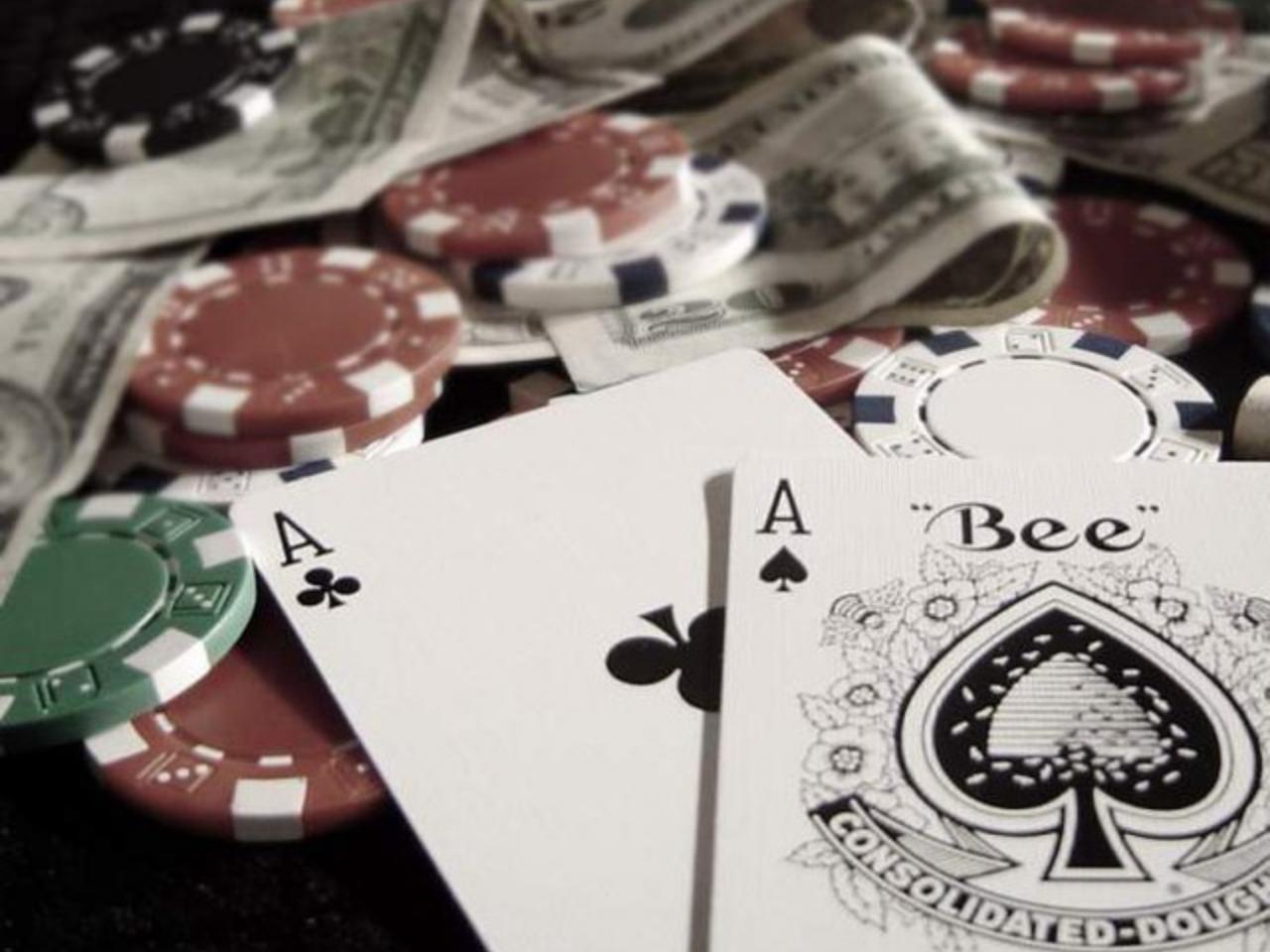
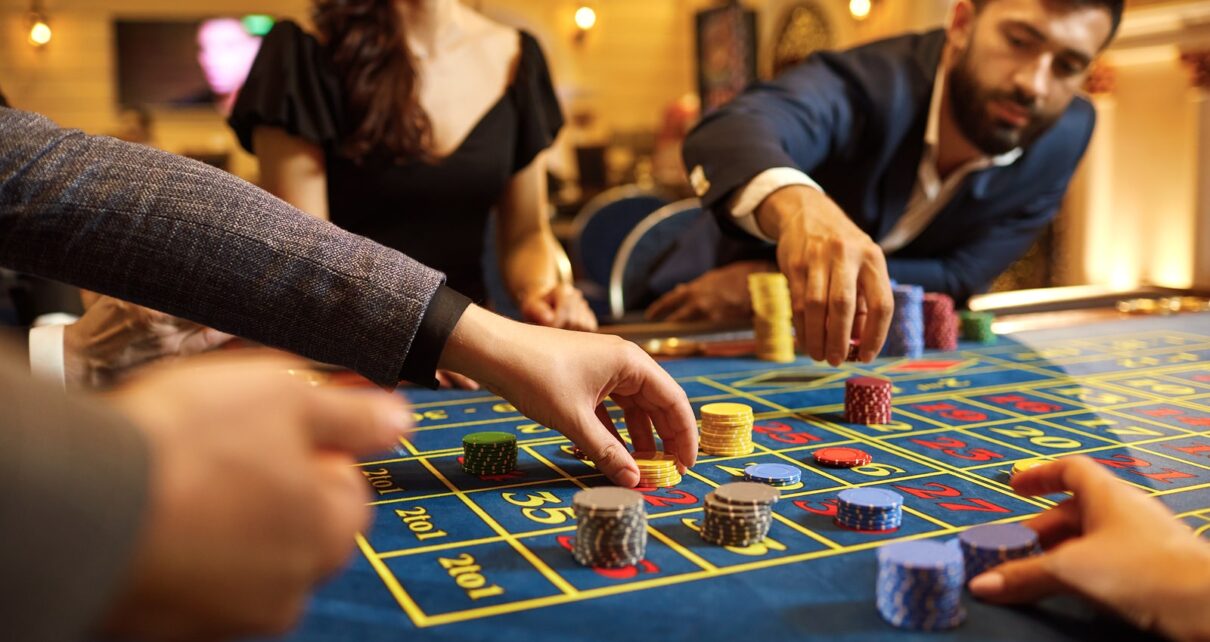
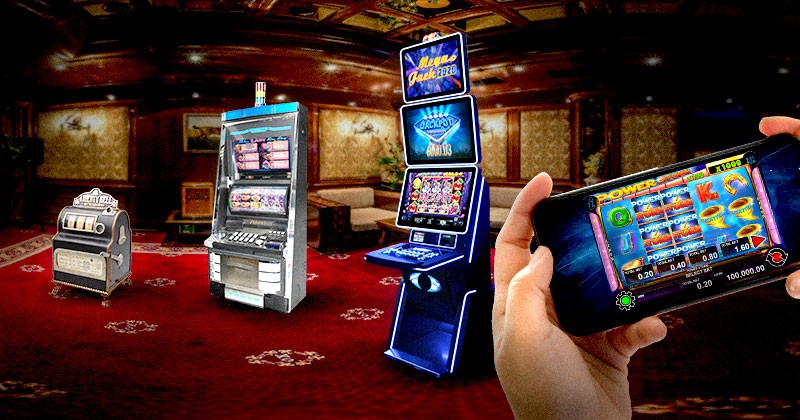
Many gamblers are initially attracted to the atmosphere of the casino—the flashing lights, sounds of spinning slots, and the palpable tension surrounding card tables. This sensory overload creates a unique environment that can heighten emotional responses and stimulate the brain’s reward system. This is not merely about money; it’s about the experience and the rush that comes with it.
The Role of Risk and Reward
The fundamental structure of gambling revolves around risk and reward. Players are drawn to the possibility of winning substantial amounts of money from a relatively small wager. This potential for high reward, despite the odds often being against them, creates a thrill that keeps players coming back for more.
This dynamic activates the brain’s reward pathways, releasing dopamine—a neurotransmitter associated with pleasure. Each win, no matter how small, reinforces the gambling behavior, creating a cycle that can lead to increased play and, unfortunately, problematic gambling in some individuals.
The Psychology of Compulsion
For some, gambling becomes more than just a pastime; it morphs into a compulsion. Various psychological factors can contribute to this phenomenon, including a need for escapism, social interaction, or even a struggle with impulse control. The casino environment often facilitates these tendencies, presenting endless opportunities for players to indulge.
Moreover, cognitive biases, such as the illusion of control—where gamblers believe they can influence outcomes—can further entrench them in their habits. This belief can lead to a false sense of security, making it difficult for individuals to recognize the potential dangers of their gambling behavior.
The Social Aspect of Gambling
Another compelling factor in the psychology of gambling is the social element. Casinos and gaming experiences often serve as a social hub, where individuals gather to share their excitement, celebrate wins, and commiserate over losses. This communal aspect can enhance the enjoyment of gambling and make it more appealing.
Additionally, social influences—such as peer pressure or cultural norms—can impact an individual’s likelihood to gamble. In some environments, gambling may be viewed as a rite of passage or a group activity that fosters connections, thus further complicating the psychology behind why people choose to engage in gaming.

Ensuring Safe Gambling Practices
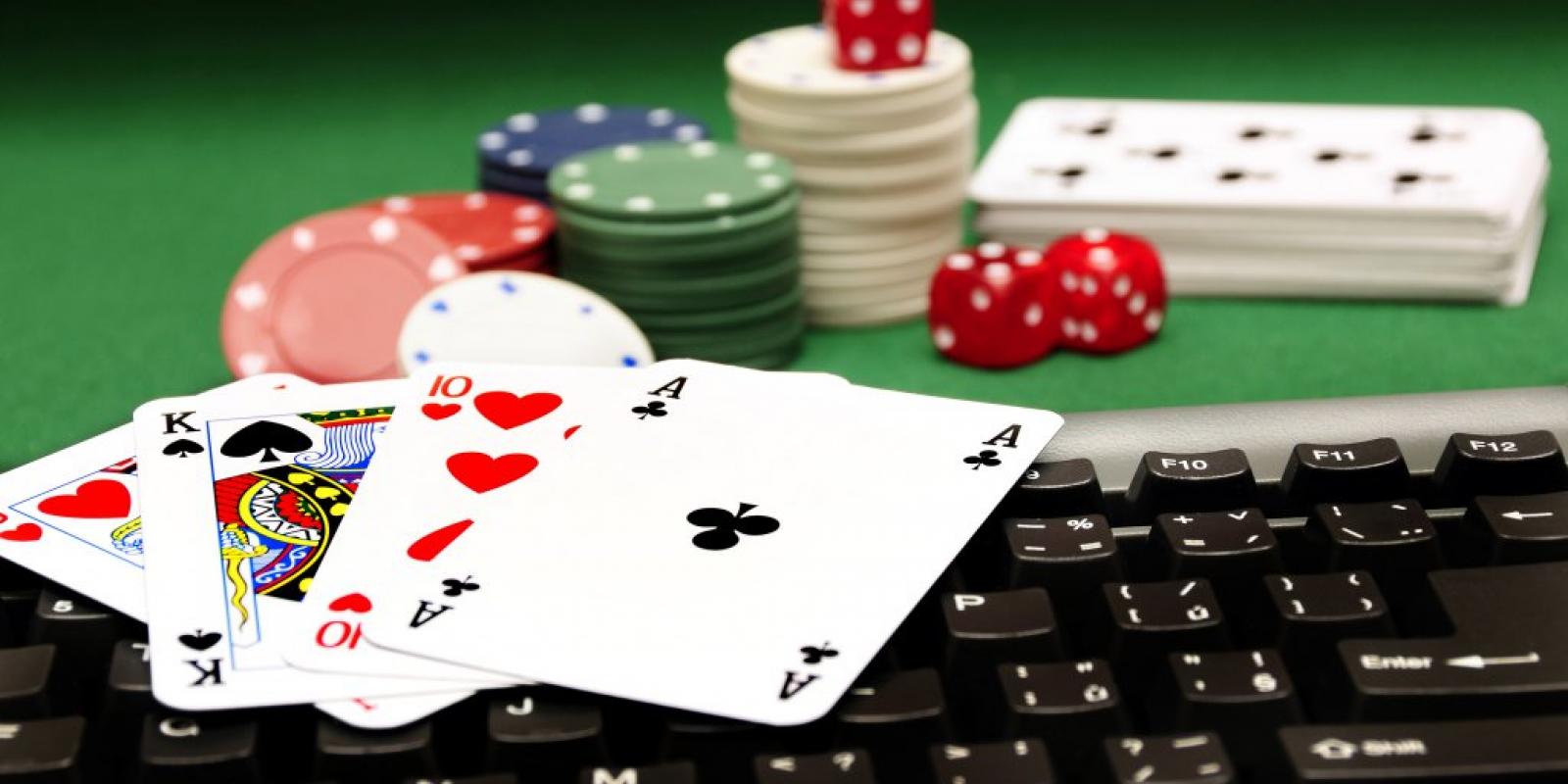
While gambling can be a thrilling and enjoyable activity for many, it’s crucial to recognize the importance of responsible gaming. The rise of online platforms and the accessibility of casinos have made it essential for individuals to be aware of their gambling habits. Recognizing the signs of problem gambling is a vital step toward maintaining a healthy relationship with gaming.
This website provides a range of resources aimed at promoting safer gambling practices, ensuring that users have access to valuable information. By prioritizing a secure and informed approach, individuals can enjoy the excitement of gambling while minimizing the risk of developing harmful behaviors.



:max_bytes(150000):strip_icc()/GettyImages-560231979-d28ad2e66dcf4cae9fc319f46e606c21.jpg)